Knee Pain After 40: Causes, Symptoms & Best Treatments for Long-Term Relief
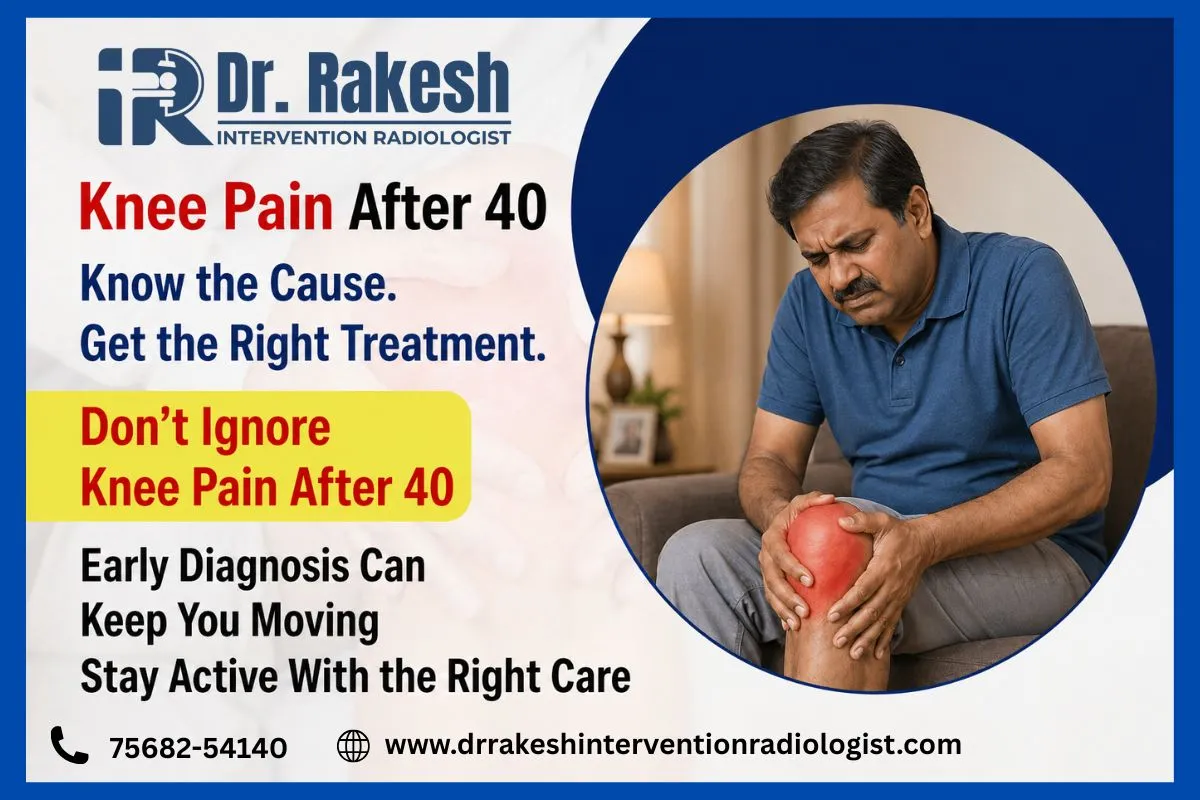
As we age, our joints go through natural wear and tear—and the knees often take the most impact. After 40, many people begin to notice stiffness, discomfort, or persistent knee pain that affects daily activities like walking, climbing stairs, or even sitting.
Understanding the causes, symptoms, and best treatment options can help you manage knee pain effectively and maintain an active lifestyle.
Why Knee Pain is Common After 40
With age, the cushioning cartilage in the knee gradually wears down. This leads to increased friction in the joint, causing pain and stiffness.
Key Reasons Include:
• Natural aging and joint degeneration
• Reduced muscle strength
• Slower tissue repair
• Increased body weight
• Sedentary lifestyle
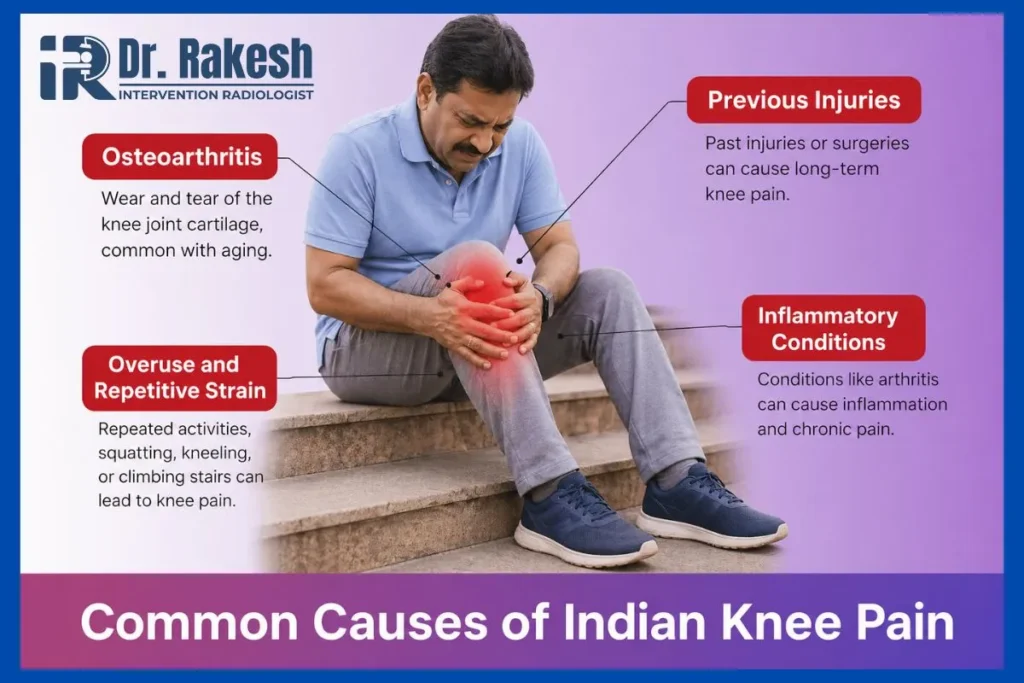
Common Causes of Knee Pain After 40
1. Osteoarthritis
The most common cause, where cartilage wears away, leading to joint pain and stiffness.
2. Meniscus Tears
Degeneration of cartilage can cause tears even with minor movements.
3. Ligament Injuries
Weak ligaments are more prone to injury after 40.
4. Tendonitis
Inflammation of tendons due to overuse or strain.
5. Obesity-Related Stress
Extra weight puts additional pressure on knee joints.
Symptoms You Should Not Ignore
Warning Signs Include:
- Persistent pain or discomfort
- Swelling or stiffness
- Difficulty walking or bending
- Clicking or popping sounds
- Reduced range of motion
Ignoring these symptoms can lead to worsening joint damage.
Best Treatments for Knee Pain After 40
1. Lifestyle Changes & Home Remedies
- Maintain a healthy weight
- Apply ice packs to reduce swelling
- Avoid excessive strain
- Follow a balanced diet rich in calcium and vitamin D
2. Exercise & Physiotherapy
- Strengthens muscles around the knee
- Improves flexibility
- Reduces stiffness
Low-impact exercises like walking, cycling, and stretching are highly beneficial.
3. Medications & Pain Relief
- Anti-inflammatory medicines
- Pain relievers
- Supplements for joint health
These provide temporary relief but should be used under medical supervision.
4. Image-Guided Injections
- Target inflammation directly
- Provide quick and effective relief
- Improve joint function
5. Minimally Invasive Treatments
Modern techniques offer non-surgical solutions for long-term relief.
Specialists like Dr. Rakesh Kumawat – Interventional Radiologist and Pain Management Specialist use advanced image-guided procedures to treat knee pain precisely, reducing recovery time and avoiding major surgery.
Advanced Non-Surgical Treatment Options:
- Genicular Nerve Block – A targeted injection that blocks pain signals from knee nerves, providing quick relief.
- Genicular Artery Embolization (GAE) – Reduces abnormal blood flow causing inflammation and pain in knee joints.
- PRP Therapy (Platelet-Rich Plasma) – Uses patient’s own blood platelets to promote natural healing and tissue regeneration.
- Genicular Nerve Ablation – Uses heat energy to disable pain-causing nerves for long-lasting relief.
When Should You See a Doctor?
Consult a specialist if:
- Pain lasts more than a few weeks
- Swelling increases
- Mobility becomes limited
- Pain interferes with daily life
• Home remedies don’t work
Early diagnosis can prevent severe joint damage.
Prevention Tips for Healthy Knees
- Stay active with regular exercise
- Maintain proper posture
- Avoid prolonged sitting
- Wear supportive footwear
- Strengthen leg muscles
Conclusion
Knee pain after 40 is common but manageable with the right approach. From lifestyle changes to advanced medical treatments, there are many effective ways to reduce pain and improve mobility.
If your symptoms persist, consulting an expert like Dr. Rakesh Kumawat – Interventional Radiologist and Pain Management Specialist can help you access modern, minimally invasive treatments for long-lasting relief.
Take care of your knees today—so they can support you for years to come.
Frequently Asked Questions (FAQs)
1. Is knee pain normal after 40?
Yes, due to natural wear and tear, but it should not be ignored.
2. What is the main cause of knee pain after 40?
Osteoarthritis is the most common cause.
3. Can knee pain be cured without surgery?
Yes, many cases can be managed with non-surgical treatments.
4. Which exercise is best for knee pain?
Low-impact exercises like walking and strengthening exercises are helpful.
5. Does weight affect knee pain?
Yes, excess weight increases pressure on the knees.
6. Are injections safe for knee pain?
Yes, when performed under expert supervision.
7. How long does recovery take?
It depends on the treatment, but many see improvement within weeks.
8. Can diet help in knee pain?
Yes, a balanced diet supports joint health.
9. When should I consult a doctor?
If pain persists or worsens over time.
10. Who should I consult for knee pain?
A specialist like Dr. Rakesh Kumawat – Interventional Radiologist and Pain Management Specialist for advanced care.