

Complete Guide to Heel Pain Treatment: Causes, Symptoms & Best Solutions
Heel pain is a common problem that can affect people of all ages. Whether you are standing for long hours, walking extensively, or engaging in sports activities, persistent heel pain can disrupt your daily routine. One of the most frequent causes behind this condition is Plantar Fasciitis, but several other factors may also contribute.
This complete guide will help you understand the causes, symptoms, and the most effective modern treatments available for heel pain.
What is Heel Pain?
Heel pain refers to discomfort or pain experienced at the bottom or back of the heel. It may develop gradually or suddenly, depending on the underlying cause.
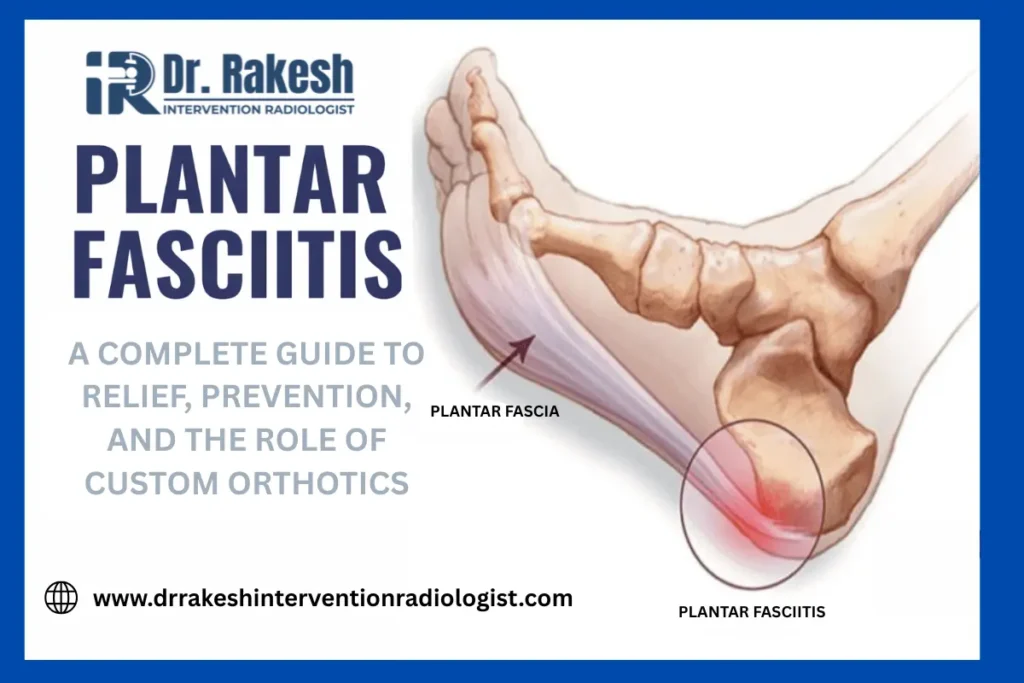
The most common area affected is the underside of the heel, where the plantar fascia attaches to the heel bone.
Common Causes of Heel Pain
Heel pain can occur due to multiple reasons:
1. Plantar Fasciitis
The most common cause, involving inflammation of the plantar fascia.
2. Heel Spurs
Calcium deposits that form bony growths on the heel bone.
3. Achilles Tendinitis
Inflammation of the Achilles tendon at the back of the heel.
4. Bursitis
Inflammation of fluid-filled sacs (bursae) around the heel.
5. Stress Fractures
Tiny cracks in the heel bone due to overuse or repetitive stress.
Symptoms of Heel Pain
Sharp pain in the heel, especially in the morning
• Pain after long periods of rest
• Swelling or tenderness in the heel
• Difficulty in walking or standing
• Increased pain after physical activity
Risk Factors
- Long hours of standing
• Obesity or sudden weight gain
• Improper footwear
• Flat feet or high arches
• High-impact sports or running
• Tight calf muscles
Diagnosis
Doctors diagnose heel pain through:
- Physical examination
• Patient history
• Imaging tests like X-ray or ultrasound (if required)
Accurate diagnosis is essential to determine the right treatment plan.
Best Heel Pain Treatment Options
Treatment depends on the severity and cause of the condition. Modern medicine offers both conservative and advanced minimally invasive solutions.
1. Transarterial MicroEmbolization (TAME)
An innovative solution for chronic heel pain, especially in plantar fasciitis.
- Performed under local anesthesia
• A microcatheter is used to target abnormal blood vessels
• Tiny particles are injected to block neovascularization
• Reduces inflammation and long-term pain
Benefits:
• Minimally invasive
• No stitches or major surgery
• Quick recovery
• Effective for resistant cases
2. Ultrasound-Guided Injections
A precise and effective method for pain relief.
- Real-time ultrasound ensures accurate needle placement
• Medications like corticosteroids or PRP (Platelet-Rich Plasma) are injected
• Targets the inflamed tissue directly
Advantages:
• Faster relief
• Reduced complications
• Highly targeted treatment
3. Percutaneous Needle Fasciotomy / Tissue Removal
This procedure focuses on removing damaged tissue.
- Uses specialized needles or ultrasonic energy
• Breaks down scar tissue
• Stimulates healing and tissue regeneration
Why choose it:
• No large incision
• Promotes natural healing
• Effective for chronic conditions
4. Posterior Tibial Nerve Block / Baxter Nerve Block
A targeted pain management technique.
- Injection near specific nerves
• Reduces severe heel pain
• Improves comfort during other treatments
Common uses:
- Immediate pain relief
- Pre-procedure comfort
- Diagnostic support
Conservative Treatment Methods
For mild to moderate cases, doctors may recommend:
- Rest and activity modification
• Ice therapy
• Stretching exercises
• Orthotic shoe inserts
• Physiotherapy
• Proper footwear
Prevention Tips
- Wear supportive shoes
• Avoid walking barefoot on hard surfaces
• Maintain healthy body weight
• Stretch regularly (especially calf muscles)
• Replace worn-out footwear
Conclusion
Heel pain may seem like a minor issue, but if ignored, it can become chronic and affect your quality of life. The good news is that with advanced treatments like TAME, ultrasound-guided injections, and minimally invasive tissue removal, patients can achieve long-lasting relief without undergoing major surgery.
Early diagnosis and the right treatment approach are key to quick recovery and preventing recurrence.
Frequently Asked Questions (FAQs)
What is the most common cause of heel pain?
The most common cause is plantar fasciitis.
Can heel pain go away on its own?
Mild cases may improve with rest, but persistent pain requires medical attention.
Is TAME treatment safe?
Yes, it is a minimally invasive and safe procedure with effective results.
What is PRP therapy?
PRP uses your own blood platelets to promote healing in damaged tissues.
Are injections painful?
They involve minimal discomfort and provide targeted relief.
How long does heel pain last?
It depends on severity—ranging from a few weeks to several months.
Can I continue walking with heel pain?
Limited walking is okay, but excessive strain should be avoided.
Do I need surgery for heel pain?
Most cases are treated without surgery using advanced techniques.
How can I prevent heel pain?
By wearing proper footwear, stretching regularly, and avoiding overuse.
When should I consult a doctor?
If pain lasts more than 2–3 weeks or worsens over time.