When Knee Pain and Leg Swelling Happen Together: What It Means
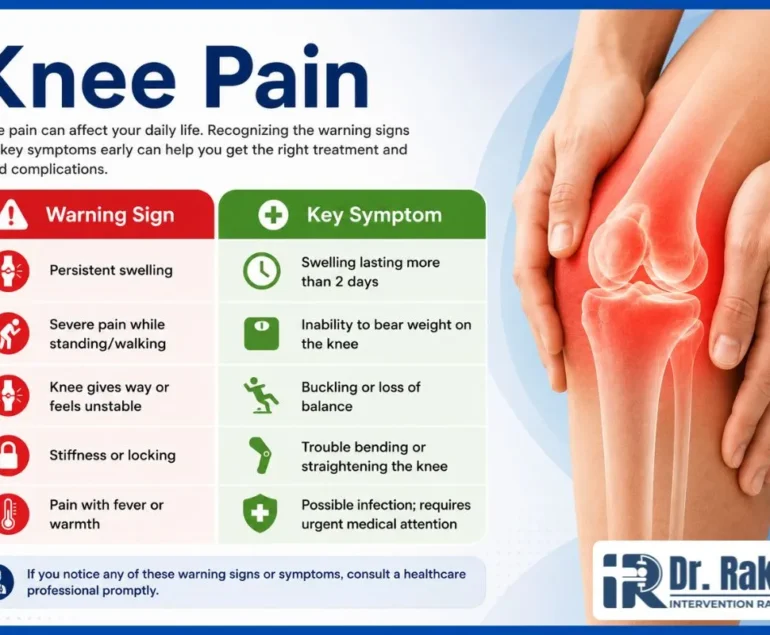
Knee pain and leg swelling are common problems that many people experience at some point in life. While occasional discomfort may not always be serious, persistent swelling along with knee pain should never be ignored. These symptoms can sometimes indicate an underlying medical condition related to joints, veins, circulation, inflammation, or nerve problems.
Many patients initially assume the issue is only due to aging or fatigue, but when knee pain and leg swelling occur together, it may signal something that requires proper medical evaluation.
If you are experiencing these symptoms regularly, understanding the possible causes and knowing when to seek treatment is important.
Why Knee Pain and Leg Swelling Happen Together
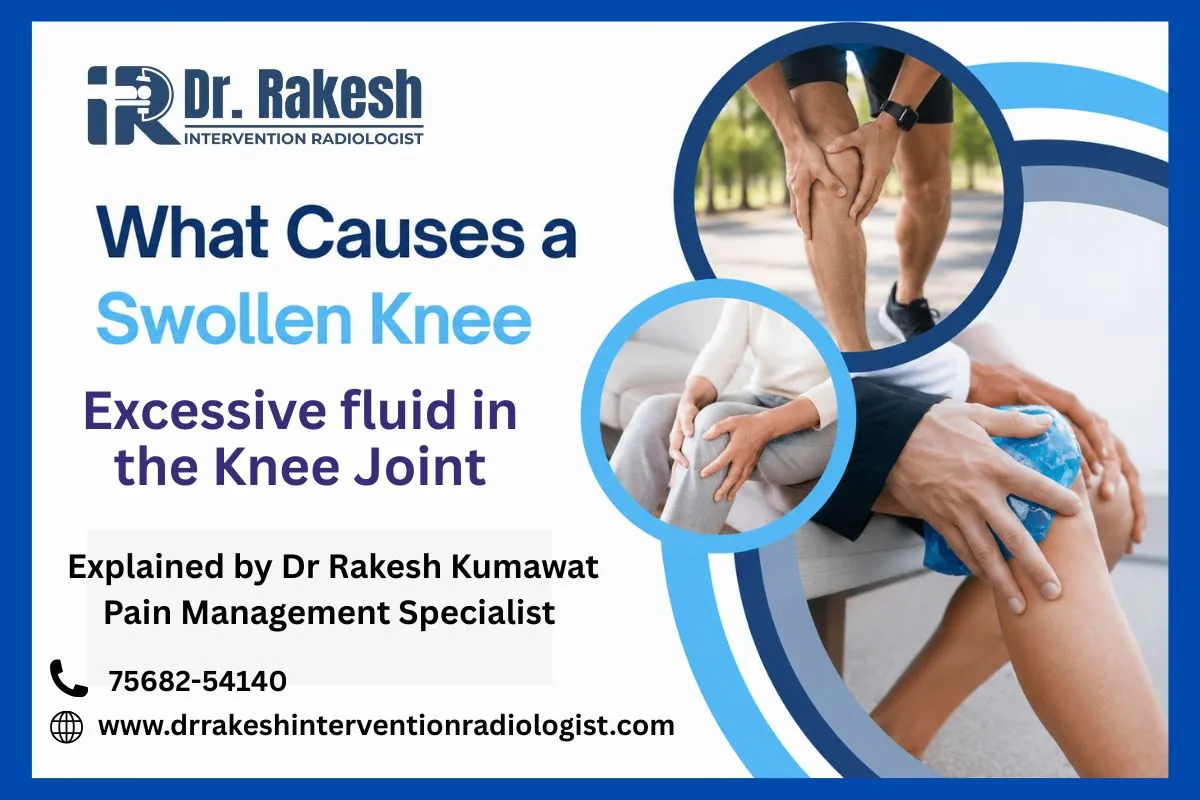
The knee joint and the veins of the legs are closely connected through muscles, nerves, and blood circulation. Any problem affecting joints, blood vessels, or surrounding tissues can lead to both pain and swelling.
Swelling usually occurs because of:
- Fluid buildup
- Inflammation
- Poor blood circulation
- Injury or infection
- Vein-related disorders
When swelling is combined with knee pain, it becomes essential to identify the exact source of the problem.
Common Causes of Knee Pain and Leg Swelling
1. Osteoarthritis of the Knee
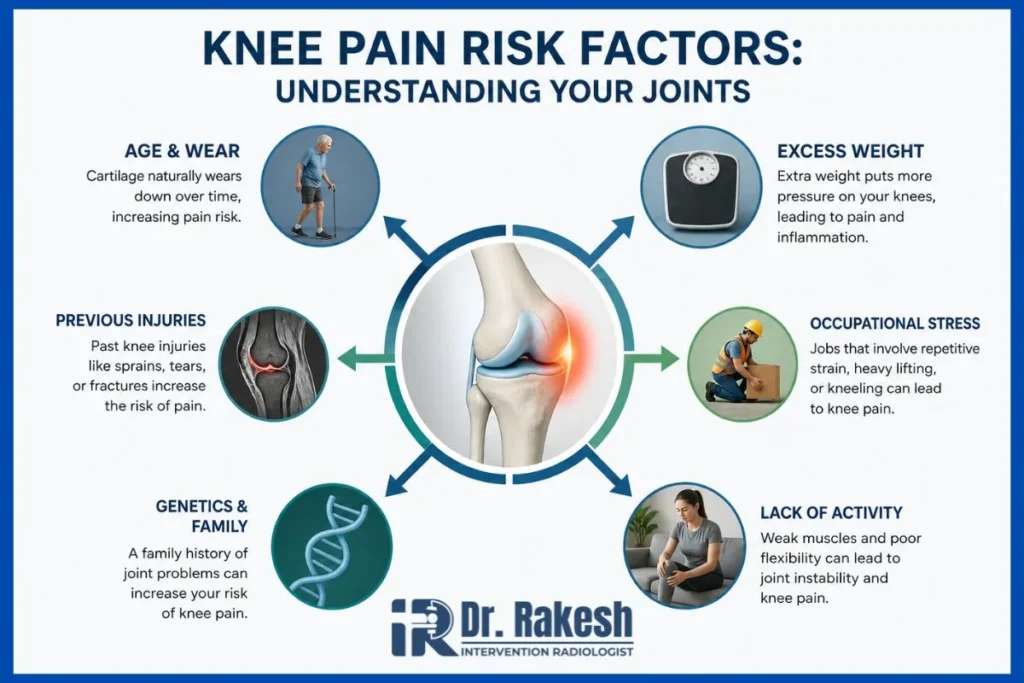
One of the most common causes is knee osteoarthritis, especially in older adults.
As the cartilage in the knee wears down, the joint becomes inflamed, leading to:
- Pain while walking
- Stiffness
- Swelling around the knee
- Difficulty climbing stairs
Inflammation in the knee joint can sometimes extend to the lower leg, causing swelling.
2. Varicose Veins & Venous Insufficiency
Poor blood circulation in the veins can also cause swelling and pain in the legs.
When vein valves weaken, blood pools in the legs, resulting in:
- Swollen legs and ankles
- Heaviness in legs
- Aching knee discomfort
- Visible veins
Many patients do not realize that vein problems can also contribute to knee discomfort and mobility issues.
3. Ligament or Meniscus Injury
Sports injuries or sudden twisting movements may damage the ligaments or cartilage inside the knee.
Symptoms often include:
- Sudden swelling
- Sharp knee pain
- Difficulty bending the knee
- Instability while walking
These injuries require early diagnosis to avoid long-term complications.
4. Rheumatoid Arthritis
This is an autoimmune condition where the body attacks its own joints.
It may cause:
- Pain in multiple joints
- Morning stiffness
- Swelling around knees
- Fatigue and inflammation
Early treatment is important to prevent joint damage.
5. Deep Vein Thrombosis (DVT)
DVT is a serious condition where a blood clot forms in the deep veins of the leg.
Warning signs include:
- Sudden swelling in one leg
- Pain or heaviness
- Warmth or redness
- Difficulty walking
This condition requires immediate medical attention because the clot can become dangerous if untreated.
When Should You See a Doctor?
You should consult a specialist if:
- Swelling persists for several days
- Knee pain worsens while walking
- One leg appears more swollen than the other
- You notice redness or warmth
- Pain affects daily activities
Ignoring these symptoms may worsen the underlying condition over time.
How Is the Condition Diagnosed?
A specialist will usually perform:
- Physical examination
- Joint movement assessment
- Ultrasound or Doppler study
- X-rays or MRI scans
- Blood tests if required
These tests help determine whether the issue is related to joints, veins, inflammation, or circulation.
Modern Treatment Options
Treatment depends on the exact cause of pain and swelling. Modern medicine now offers several minimally invasive options for long-term relief.
Medications & Lifestyle Changes
For mild conditions, doctors may recommend:
- Anti-inflammatory medicines
- Weight management
- Physiotherapy
- Compression stockings
Lifestyle improvement often helps reduce symptoms significantly.
PRP Therapy
PRP (Platelet-Rich Plasma) therapy is commonly used for knee joint pain.
It helps:
- Reduce inflammation
- Support healing
- Improve joint function
This treatment is becoming increasingly popular for non-surgical pain management.
Genicular Artery Embolization (GAE)
Genicular Artery Embolization is a modern image-guided treatment designed for patients suffering from chronic knee pain, swelling, and inflammation caused by osteoarthritis.
The procedure works by targeting the tiny blood vessels responsible for ongoing inflammation inside the knee joint. By reducing excess inflammatory blood flow, GAE helps decrease pain, stiffness, and swelling naturally without the need for major surgery.
Why GAE Is Becoming Popular
- Non-surgical alternative for knee arthritis pain
- Helps reduce knee swelling and inflammation
- Minimally invasive with no major cuts or stitches
- Short recovery time and quicker mobility
- Suitable for patients trying to avoid knee replacement surgery
- Performed using advanced image-guided technology
Genicular Nerve Block
This minimally invasive procedure targets nerves around the knee to reduce chronic pain.
It is especially useful for:
- Arthritis pain
- Long-term knee discomfort
- Patients avoiding surgery
Genicular Nerve Ablation
For persistent knee pain, radiofrequency energy may be used to reduce pain signals from affected nerves, offering longer-lasting relief.
Vein Treatments
If swelling is related to vein problems, treatments may include:
- Laser vein therapy
- Sclerotherapy
- Compression management
These treatments improve blood circulation and reduce swelling.
Why Early Treatment Matters
Delaying treatment can lead to:
- Reduced mobility
- Chronic inflammation
- Joint damage
- Increased pain severity
- Higher risk of complications
Early diagnosis allows doctors to identify the root cause and provide more effective treatment.
Role of an Interventional Radiologist
Modern pain and vein-related treatments are increasingly managed by Interventional Radiologists because they specialize in minimally invasive, image-guided procedures.
These procedures are:
- More precise
- Less painful
- Faster recovery compared to surgery
Dr. Rakesh Kumawat – Best Interventional Radiologist and Pain Management Specialist in Jaipur
If you are experiencing knee pain with leg swelling, consulting an experienced specialist is important.
Dr. Rakesh Kumawat is known for advanced pain management and minimally invasive treatment techniques in Jaipur.
His expertise includes:
- Knee pain management
- PRP therapy
- Genicular nerve procedures
- Vein-related treatments
- Image-guided interventions
His patient-focused approach helps individuals achieve effective relief with reduced downtime and improved comfort.
Tips to Reduce Knee Pain & Leg Swelling
- Avoid standing for long periods
- Maintain healthy body weight
- Exercise regularly
- Elevate legs while resting
- Wear comfortable footwear
- Stay hydrated
These habits can help improve circulation and reduce stress on joints.
Conclusion
Knee pain and leg swelling together may indicate a variety of underlying conditions ranging from arthritis and injuries to circulation or vein problems. While mild symptoms may improve with rest, persistent pain and swelling should always be evaluated by a specialist.
Modern pain management and minimally invasive treatments now provide effective solutions without major surgery.
If you are facing ongoing discomfort, consulting an experienced expert like Dr. Rakesh Kumawat can help you receive the right diagnosis and advanced treatment for long-term relief.
FAQs
1. Can knee pain cause leg swelling?
Yes, inflammation in the knee joint can lead to swelling in surrounding areas of the leg.
2. Is leg swelling always related to veins?
No, swelling can also occur due to arthritis, injury, infection, or circulation problems.
3. When should I worry about swelling?
If swelling is sudden, painful, or affects one leg more than the other, seek medical attention.
4. Can knee pain be treated without surgery?
Yes, treatments like PRP therapy, nerve blocks, and physiotherapy can help significantly.
5. Which doctor should I consult?
An Interventional Radiologist or Pain Management Specialist can help diagnose and treat the condition effectively.