Knee Pain: When Should You Visit a Specialist? Warning Signs You Shouldn’t Ignore
Knee pain is one of the most common health issues affecting people of all age groups—from young athletes to working professionals and older adults. While occasional discomfort may go away on its own, persistent or severe knee pain can indicate an underlying problem that requires medical attention.
Understanding when to consult a specialist can help prevent long-term damage and ensure faster recovery.
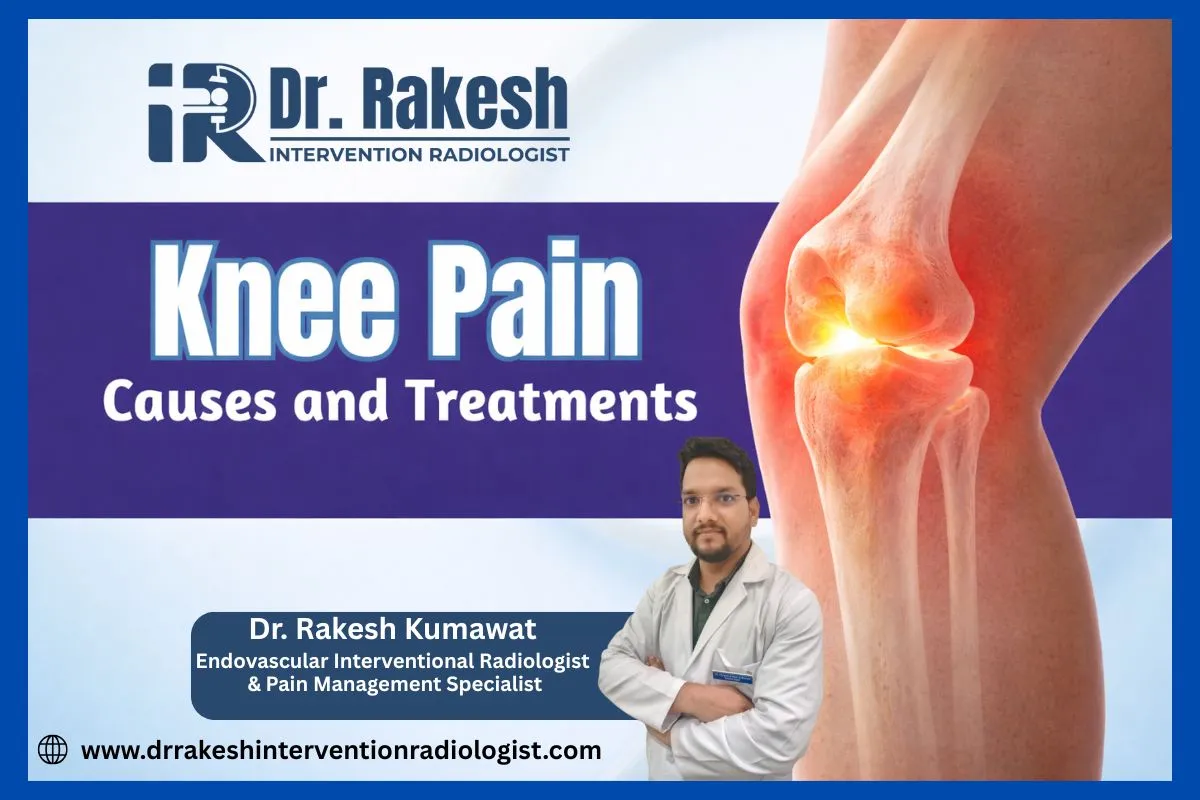
What Causes Knee Pain?
Knee pain can arise due to various reasons, ranging from minor injuries to chronic medical conditions.
Common Causes Include:
- • Ligament injuries (ACL, MCL tears)
• Arthritis (osteoarthritis, rheumatoid arthritis)
• Meniscus tears
• Overuse or repetitive strain
• Tendonitis
• Obesity-related joint stress
Identifying the root cause is essential for proper treatment.
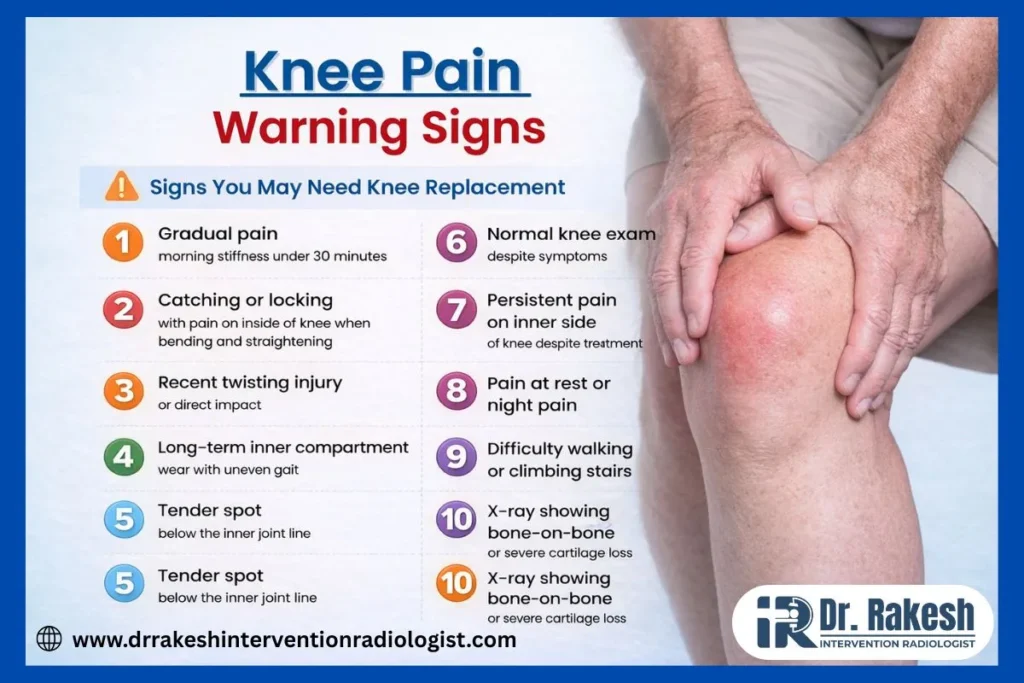
Signs You Should Visit a Specialist
While mild pain can be managed at home, certain symptoms require immediate medical evaluation.
1. Persistent Pain
If your knee pain lasts more than a few days or keeps returning, it’s time to consult a specialist.
2. Swelling and Stiffness
Noticeable swelling or difficulty bending and straightening the knee could indicate internal damage.
3. Difficulty Walking or Bearing Weight
If walking becomes painful or unstable, it may be due to ligament or joint issues.
4. Popping or Locking Sensation
Hearing a pop or feeling your knee lock can signal a meniscus tear or ligament injury.
5. Redness and Warmth
Inflammation or infection may cause redness and warmth around the knee joint.
6. Reduced Range of Motion
Limited movement is a sign that something isn’t functioning properly inside the joint.
Natural Ways to Manage Mild Knee Pain
For minor discomfort, you can try these home remedies:
- • Rest and avoid excessive activity
• Apply ice packs to reduce swelling
• Elevate your leg to improve circulation
• Perform gentle stretching exercises
• Use knee braces for support
However, these methods are only effective for mild cases.
Medical Treatment Options for Knee Pain
If symptoms persist, professional treatment is necessary.
1. Medications
Pain relievers and anti-inflammatory drugs help reduce discomfort.
2. Physiotherapy
Strengthening muscles around the knee improves stability and reduces pain.
3. Image-Guided Injections
Precise injections target inflammation and provide effective relief.
4. Minimally Invasive Procedures
Advanced techniques can treat knee conditions without major surgery.
5. Genicular Nerve Block
A minimally invasive, image-guided procedure where local anesthetic is injected around the genicular nerves to block pain signals from the knee. It provides quick relief and helps diagnose the source of chronic knee pain.
6. Genicular Artery Embolization
An advanced, non-surgical treatment that reduces abnormal blood flow and inflammation in the knee joint. This procedure is especially effective for osteoarthritis-related knee pain and offers long-lasting relief without surgery.
7. PRP Therapy
Platelet-Rich Plasma (PRP) therapy uses the patient’s own blood components to promote natural healing. It helps repair damaged tissues, reduce inflammation, and improve joint function in chronic knee conditions.
8. Genicular Nerve Ablation
A targeted procedure that uses radiofrequency energy to deactivate pain-transmitting genicular nerves. It provides long-term pain relief for patients suffering from chronic knee pain, especially when other treatments are ineffective.
Dr. Rakesh Kumawat – Interventional Radiologist and Pain Management Specialist offer modern, image-guided treatments that are safe, effective, and require minimal recovery time.
Why Early Consultation is Important
Delaying treatment can lead to:
- • Chronic knee pain
• Joint damage
• Reduced mobility
• Increased risk of surgery
Early diagnosis ensures better outcomes and quicker recovery.
Who is at Higher Risk?
You may be more prone to knee problems if you:
- • Are overweight
• Have a sedentary lifestyle
• Participate in high-impact sports
• Have a history of joint injuries
• Are above 40 years of age
Preventive care and regular check-ups can help reduce risks.
Conclusion
Knee pain should never be ignored, especially when it interferes with daily life. While mild pain can be managed with rest and home care, persistent or severe symptoms require expert attention.
Consulting a specialist like Dr. Rakesh Kumawat – Interventional Radiologist ensures accurate diagnosis and access to advanced, minimally invasive treatments for long-lasting relief.
Take action early—your knees support you every day, and they deserve proper care.
Frequently Asked Questions (FAQs)
1. When should I see a doctor for knee pain?
If pain lasts more than a few days or worsens, consult a specialist.
2. Can knee pain go away without treatment?
Mild pain may improve, but persistent issues require medical attention.
3. What is the most common cause of knee pain?
Arthritis, injuries, and overuse are the most common causes.
4. Is walking good for knee pain?
Light walking can help, but avoid it if pain increases.
5. Do knee braces help?
Yes, they provide support and reduce strain on the joint.
6. Are injections effective for knee pain?
Yes, especially when guided by imaging for precision.
7. Can knee pain be treated without surgery?
Many cases can be treated with non-surgical methods.
8. What are signs of serious knee problems?
Severe pain, swelling, locking, or inability to move the knee.
9. How long does knee pain last?
It depends on the cause—minor injuries heal quickly, chronic conditions take longer.
10. Who should I consult for knee pain?
A specialist like Dr. Rakesh Kumawat – Interventional Radiologist and Pain Management Specialist can provide expert diagnosis and treatment.