Understanding Carpal Tunnel Syndrome: Modern & Effective Wrist Pain Treatments
Wrist pain, tingling in the fingers, or weakness in the hand are symptoms many people ignore—until they begin to affect daily life. One of the most common causes behind these symptoms is Carpal Tunnel Syndrome, a condition that occurs due to pressure on a key nerve in the wrist.
With today’s advanced medical technology, especially image-guided minimally invasive treatments, managing and curing this condition has become safer, faster, and more effective than ever before.
What is Carpal Tunnel Syndrome?
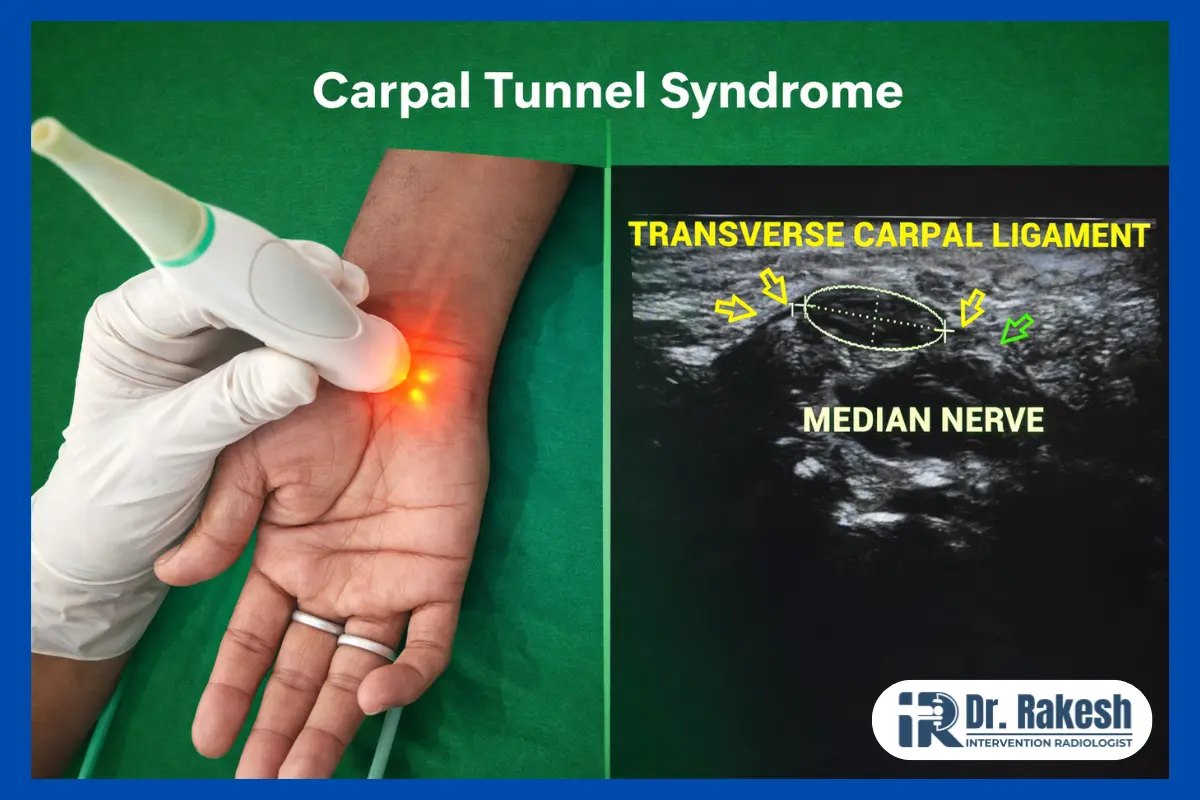
Carpal Tunnel Syndrome (CTS) develops when the median nerve, which passes through a narrow channel in the wrist called the carpal tunnel, becomes compressed.
This tunnel is surrounded by bones and the transverse carpal ligament. Any swelling, inflammation, or thickening in this area can put pressure on the nerve, resulting in pain relief and discomfort.
Signs You Should Not Ignore
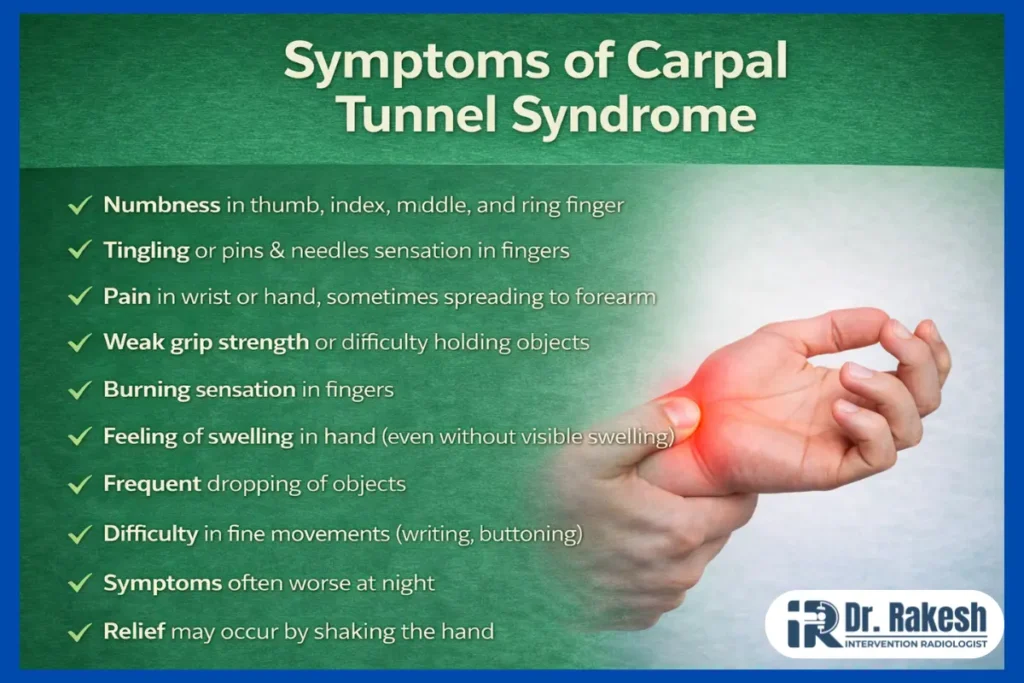
- Numbness or tingling in the thumb, index, and middle fingers
• Weak grip strength
• Pain radiating from wrist to arm
• Difficulty holding small objects
• Night-time worsening of symptoms
Ignoring these symptoms can lead to long-term nerve damage, so early diagnosis is crucial.
Causes Behind Wrist Pain
Carpal Tunnel Syndrome is often linked to:
- Repetitive hand use (typing, mobile usage, machinery work)
• Poor ergonomics
• Diabetes and hormonal changes
• Inflammatory conditions like arthritis
• Fluid retention (common during pregnancy)
Diagnosis & Evaluation
Doctors typically diagnose CTS using:
- Physical examination
• Nerve conduction studies (NCS)
• Ultrasound imaging to assess nerve compression
Ultrasound plays a vital role in both diagnosis and treatment planning.
Advanced Wrist Pain Treatments Explained
Let’s explore the most effective and modern treatments available for Carpal Tunnel Syndrome:
1. Ultrasound-Guided Injections
This technique ensures high precision and targeted therapy.
- Performed using real-time ultrasound imaging
• A fine needle is guided accurately around the median nerve
• Corticosteroids or other medications are injected into the perineural space
Key Benefits:
- Immediate reduction in inflammation
• Accurate drug delivery
• Minimal discomfort
• No need for hospitalization
This method is especially useful in early to moderate cases.
2. Perineural Hydrodissection
An advanced and highly effective technique for nerve decompression.
- A special fluid is injected around the median nerve
• This gently separates the nerve from surrounding tissues
• Reduces adhesions and pressure
Why it works:
- Improves nerve movement
• Relieves compression instantly
• Enhances long-term recovery
This procedure is gaining popularity due to its effectiveness and safety.
3. Ultrasound-Guided Carpal Tunnel Release (UGCTR)
A revolutionary alternative to traditional surgery.
• A small puncture is made under ultrasound guidance
• A specialized instrument is inserted
• The transverse carpal ligament is released to free the nerve
Advantages over open surgery:
- No stitches or large cuts
• Minimal pain and scarring
• Faster return to daily activities
• Day-care procedure
UGCTR is ideal for patients who do not respond to conservative treatments.
Supportive & Conservative Care
Alongside these procedures, doctors may suggest:
- Wrist splints (especially during sleep)
• Activity modification
• Hand and wrist exercises
• Anti-inflammatory medications
These measures help in early-stage management and recovery support.
Prevention Tips for Wrist Health
- Maintain proper wrist posture while working
• Take regular breaks from repetitive tasks
• Use ergonomic tools and keyboards
• Stretch and strengthen wrist muscles
• Avoid overuse of mobile devices
Final Thoughts
Carpal Tunnel Syndrome is a common yet highly treatable condition. Thanks to advancements like ultrasound-guided injections, hydrodissection, and UGCTR, patients can now benefit from minimally invasive, highly precise, and effective treatments without the need for traditional surgery.
If you are experiencing persistent wrist pain or numbness, don’t delay seeking medical advice. Early treatment ensures faster recovery and prevents complications.
Frequently Asked Questions (FAQs)
- What happens if carpal tunnel syndrome is left untreated?
It can lead to permanent nerve damage and loss of hand function. - Are ultrasound-guided injections painful?
They involve minimal discomfort and are generally well tolerated. - How effective is hydrodissection?
It is highly effective in relieving nerve compression and improving mobility. - Is UGCTR safe?
Yes, it is a safe, minimally invasive procedure with excellent success rates. - How soon can I resume work after treatment?
Most patients return to normal activities within a few days to weeks. - Can I treat CTS without surgery?
Yes, many cases are treated successfully with non-surgical methods. - Who is at higher risk for CTS?
People with repetitive hand use, diabetes, or poor ergonomics are at higher risk. - Is physiotherapy helpful?
Yes, it helps strengthen muscles and reduce symptoms in early stages. - Can CTS affect both hands?
Yes, it can occur in one or both wrists. - When should I consult a specialist?
If symptoms persist for more than 2–3 weeks or worsen over time.