
Why Choosing the Right Varicose Vein Specialist Matters for Long-Term Results
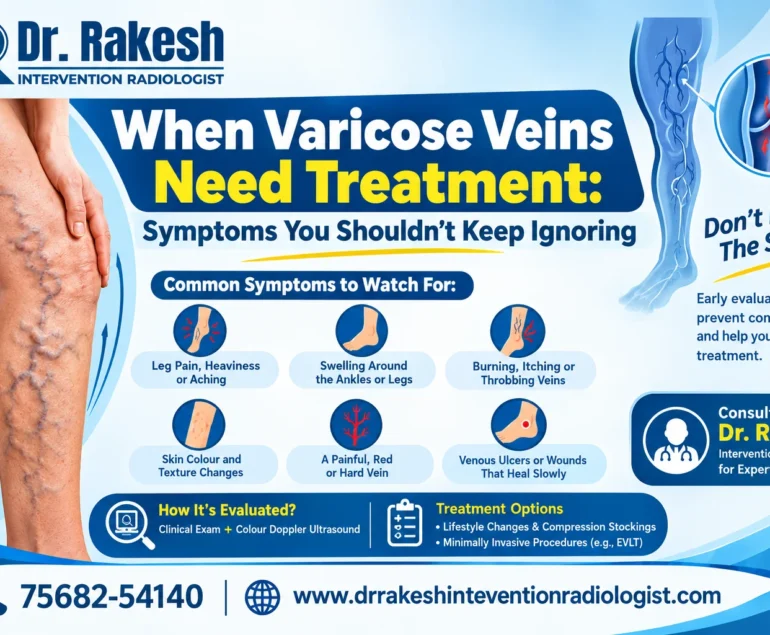
Varicose veins may begin as visible blue or twisted veins, but for many people, the condition eventually becomes more than a cosmetic concern. Leg heaviness, swelling, aching, itching, night cramps, skin discoloration, and recurrent inflammation can indicate an underlying problem with venous circulation.
Modern treatments can manage varicose veins without traditional open surgery in many patients. However, achieving good long-term varicose vein treatment results depends not only on the procedure used but also on accurate diagnosis, treatment planning, and follow-up. This is why choosing the right varicose vein specialist matters. Consulting a Vein Specialist Doctor In Jaipur can help patients understand their venous condition and explore suitable treatment options.
Varicose Veins Are a Circulation Problem
Healthy leg veins contain one-way valves that help blood travel upward toward the heart. When these valves become weak or fail to close properly, blood can flow backward and collect inside the veins.
This condition is called venous reflux. Continued pressure can cause superficial veins to enlarge and become visibly twisted.
Treating only the veins visible on the skin without identifying the source of reflux may leave the underlying problem untreated. A specialist should therefore evaluate the complete venous system rather than focusing only on appearance.
Accurate Diagnosis Comes Before Treatment
Two patients with similar-looking varicose veins may have very different patterns of venous disease.
One person may have reflux in a major superficial vein, while another may have smaller tributary veins involved. Symptoms such as swelling may sometimes have causes unrelated to varicose veins altogether.
A detailed consultation typically includes symptom assessment, examination, previous treatment history, medical conditions, and evaluation of risk factors.
When appropriate, a Colour Doppler ultrasound provides important information about blood flow and valve function. Patients seeking a Vein Specialist Doctor In Jaipur should ask how the diagnosis will be confirmed and whether Doppler mapping is appropriate for their condition.
Why Colour Doppler Mapping Matters
Colour Doppler ultrasound is one of the most useful investigations for planning varicose vein treatment.
It can identify which veins are refluxing, show the direction of blood flow, evaluate superficial and deep veins, and help detect conditions such as thrombosis when clinically suspected.
This information creates a map of the patient’s venous circulation.
Instead of treating every visible vein in the same way, the specialist can design treatment around the actual source and distribution of venous reflux.
Treatment Should Be Personalized
There is no single varicose vein procedure that is appropriate for every patient.
Some people with mild symptoms may initially benefit from regular walking, weight management, avoiding prolonged immobility, leg elevation, or compression therapy when medically appropriate.
Patients with significant symptomatic reflux may be evaluated for minimally invasive treatments such as endovenous laser treatment (EVLT/EVLA) or other vein procedures.
During endovenous laser treatment, a thin laser fibre is introduced into the abnormal vein under ultrasound guidance. Controlled energy closes the refluxing vein, and blood continues through healthier veins.
Choosing a treatment should depend on vein anatomy, symptoms, ultrasound findings, previous procedures, and overall health.
Experience With Image-Guided Treatment Matters
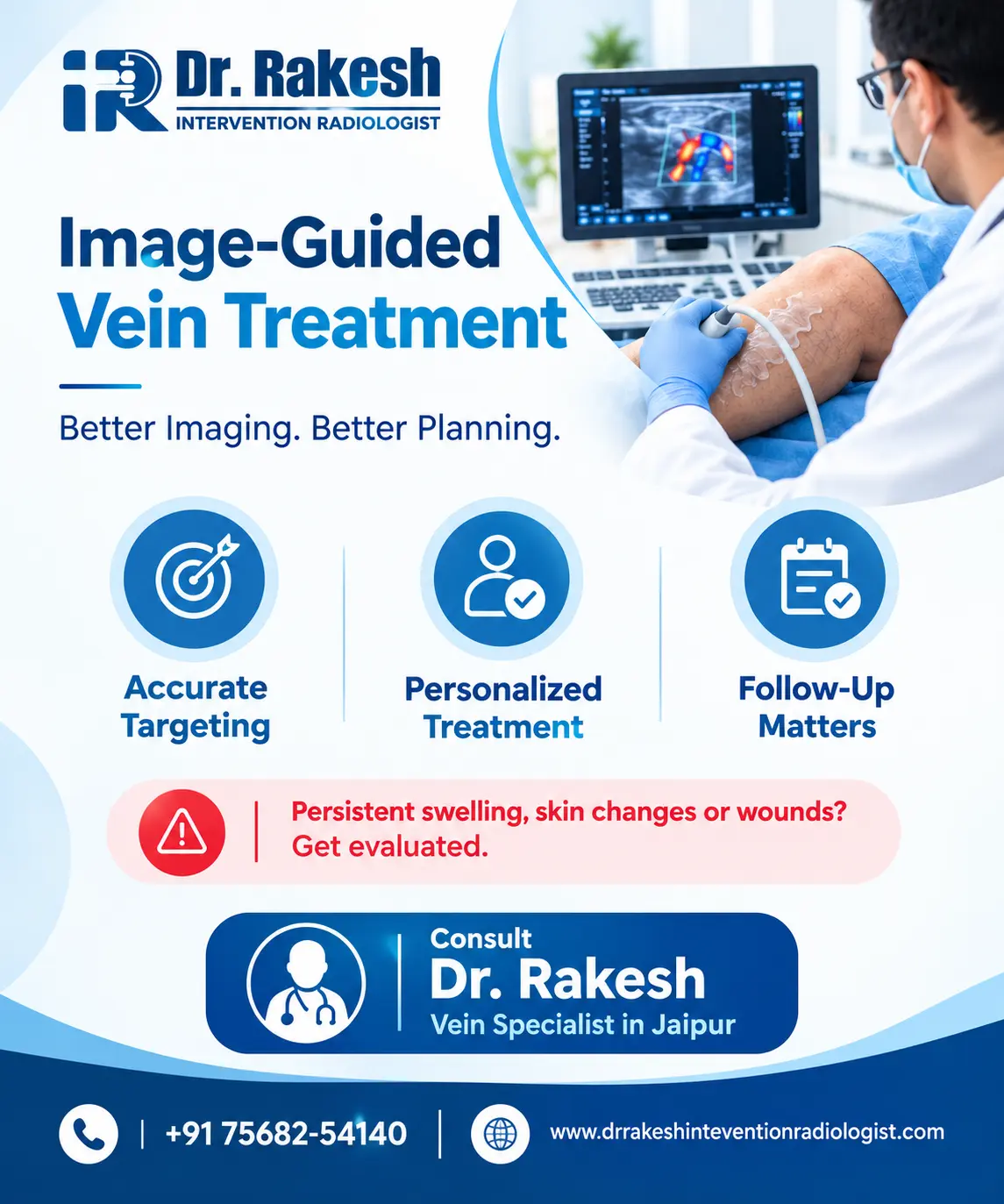
Modern vein treatment often depends heavily on ultrasound guidance.
Accurate imaging helps the treating doctor identify the target vein, guide equipment appropriately, and plan treatment while considering surrounding structures.
This is particularly relevant when varicose vein care is provided by specialists experienced in vascular imaging and minimally invasive procedures.
Patients should feel comfortable asking who will perform the procedure, what imaging guidance will be used, and why a particular treatment has been recommended.
Long-Term Results Require More Than Closing One Vein
Successful treatment is not simply about making a visible vein disappear.
A more meaningful outcome includes improvement in symptoms, appropriate treatment of significant reflux, preservation of healthy circulation, and monitoring when necessary.
It is also important to understand that treatment cannot guarantee that varicose veins will never occur again.
The treated vein may remain closed, but venous disease can progress in other veins over time. Genetics, pregnancy, ageing, obesity, prolonged standing, and development of new reflux pathways may contribute to recurrence.
A realistic treatment plan should acknowledge this possibility.
Follow-Up Is an Important Part of Vein Care
Follow-up allows the specialist to assess symptom improvement and recovery after treatment.
Depending on the procedure and clinical situation, ultrasound may sometimes be recommended to evaluate the treated vein and surrounding circulation.
Patients should also receive practical guidance regarding walking, physical activity, compression when indicated, and symptoms that require medical attention.
This continuity of care can be particularly valuable for patients with more extensive chronic venous disease.
Warning Signs Should Not Be Ignored
Varicose veins deserve medical assessment when they are associated with persistent swelling, heaviness, pain, itching, skin pigmentation, recurrent inflammation, bleeding, or wounds near the ankle.
Sudden significant one-sided leg swelling requires prompt assessment. If leg symptoms occur with chest pain or shortness of breath, urgent medical care is necessary because a serious blood clot must be excluded.
Choosing Varicose Vein Care With Long-Term Goals
When selecting a varicose vein specialist, patients should look beyond promises of quick cosmetic improvement.
Good vein care begins with identifying why the veins developed, determining whether significant venous reflux exists, and selecting treatment based on individual findings.
The right specialist should explain the diagnosis, available options, expected benefits, limitations, potential risks, recovery, and possibility of future recurrence.
For long-term results, accurate diagnosis and personalized treatment are just as important as the technology used. Patients exploring Varicose Vein Surgeon In Jaipur services should discuss their Doppler findings and available minimally invasive options with a suitably qualified specialist.
Frequently Asked Questions
1. Which specialist should I consult for varicose veins?
Specialists experienced in venous disease, vascular imaging, and appropriate minimally invasive vein procedures can evaluate varicose veins. The most important factor is proper assessment and experience with the recommended treatment.
2. Why is Colour Doppler needed before varicose vein treatment?
Colour Doppler can identify venous reflux, assess valve function, map affected veins, and evaluate deeper veins. This information helps guide personalized treatment planning.
3. Can varicose veins return after laser treatment?
A successfully treated vein may remain closed, but new varicose veins or reflux can develop elsewhere. Long-term recurrence depends on several individual factors.
4. Is every visible varicose vein treated with laser?
No. Treatment depends on vein size, location, anatomy, symptoms, and ultrasound findings. Different veins may require different management approaches.
5. What should I ask a varicose vein specialist before treatment?
Ask about the cause of your symptoms, Doppler findings, recommended procedure, alternatives, potential risks, expected recovery, follow-up, and the possibility of future recurrence. Patients experiencing knee discomfort alongside other symptoms can separately discuss Knee Pain Treatment In Jaipur options with an appropriate specialist, as knee pain may have causes unrelated to varicose veins.