Varicose Vein Doctor vs Vascular Surgeon: Who Should You Consult?
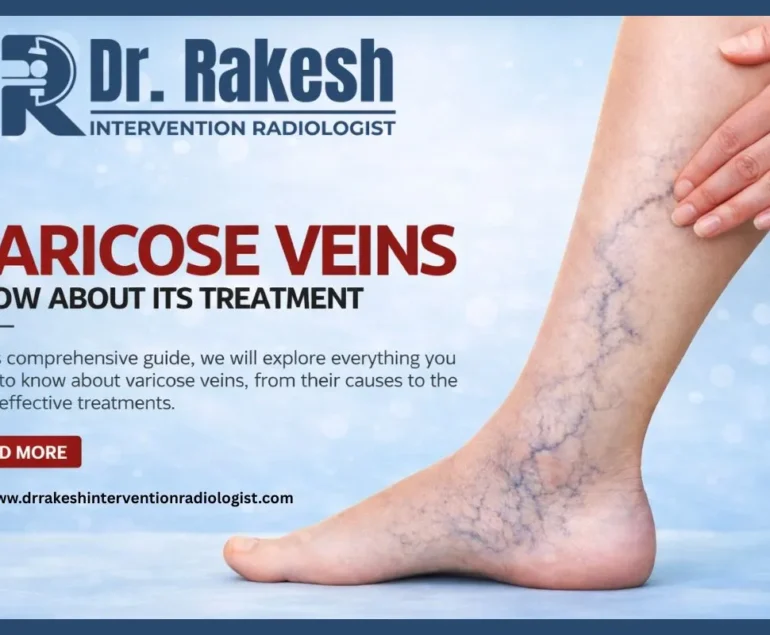
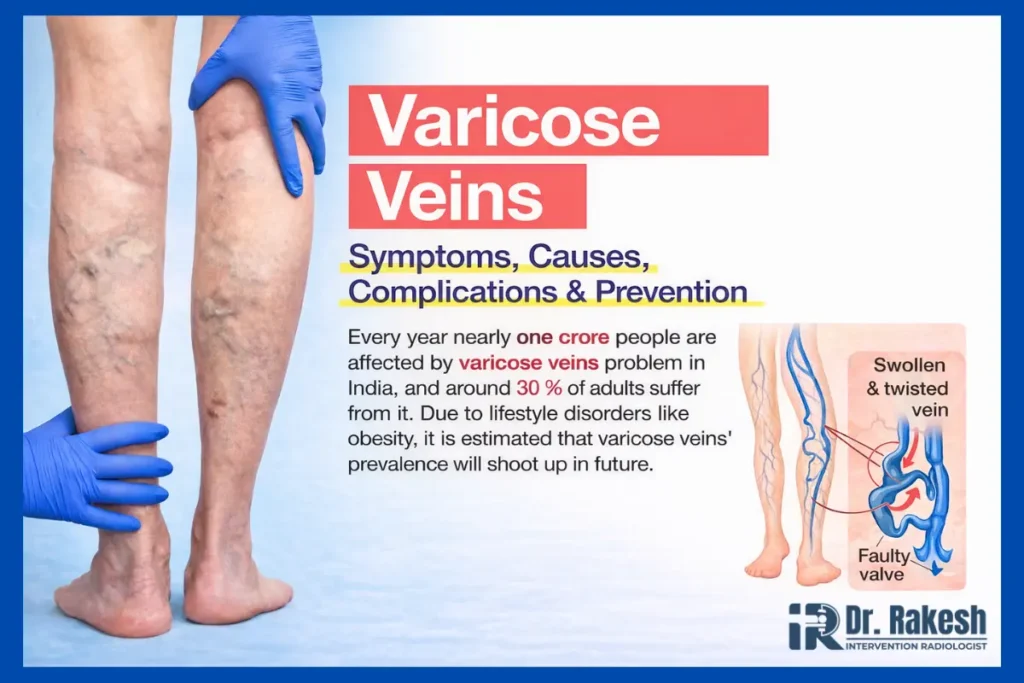
Varicose veins are a common vein condition that affects millions of people around the world. They appear as enlarged, twisted veins that are usually visible under the skin, most commonly on the legs. While many people consider them only a cosmetic concern, varicose veins can sometimes lead to pain, swelling, heaviness in the legs, and other complications if left untreated.
One of the most common questions patients ask is whether they should consult a varicose vein doctor or a vascular surgeon for treatment. Understanding the difference between these specialists can help you choose the right doctor for effective and long-lasting treatment.
What Are Varicose Veins?
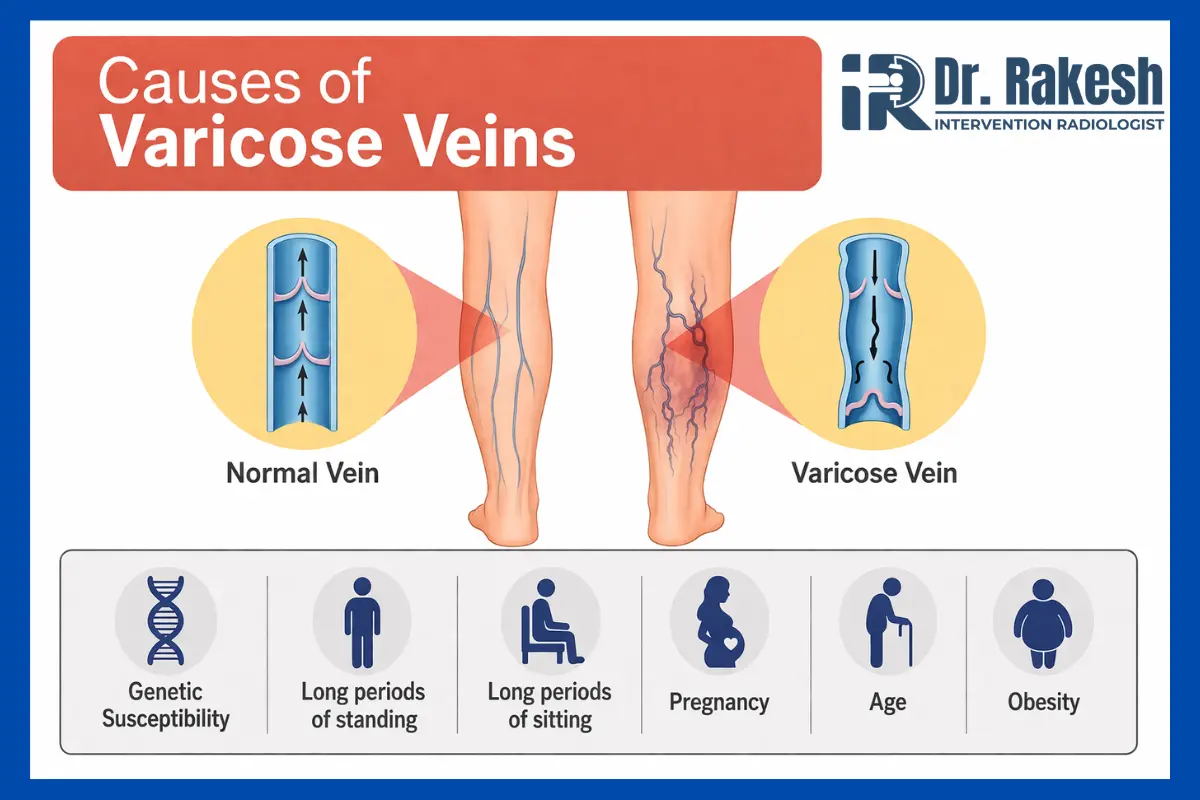
Varicose veins occur when the valves inside the veins become weak or damaged. Normally, these valves help blood flow toward the heart. When they stop functioning properly, blood can pool inside the veins, causing them to enlarge and become visible.
Varicose veins often develop in the legs because standing and walking increase pressure in the veins of the lower body.
Common Symptoms of Varicose Veins
Not all varicose veins cause severe symptoms, but many patients experience discomfort. Common symptoms include:
- Bulging blue or purple veins
• Leg pain or aching
• Heaviness in the legs
• Swelling in the ankles or feet
• Burning or throbbing sensation
• Itching around the affected veins
• Muscle cramps at night
In severe cases, varicose veins may lead to skin changes, ulcers, or blood clots, making proper medical treatment important.
Who is a Varicose Vein Doctor?
A varicose vein doctor is usually a specialist who focuses on diagnosing and treating vein-related conditions using modern and minimally invasive procedures. These doctors may come from different medical backgrounds such as interventional radiology, dermatology, or vascular medicine.
They often specialize in non-surgical treatments for vein disorders, including advanced image-guided procedures that target the damaged veins directly.
Advantages of Consulting a Varicose Vein Specialist
- Expertise in minimally invasive vein treatments
• Faster recovery compared to traditional surgery
• Less pain and fewer complications
• Outpatient procedures with minimal downtime
Many patients prefer consulting a vein specialist because modern treatments can often eliminate varicose veins without major surgery.
Who is a Vascular Surgeon?
A vascular surgeon is a medical doctor who specializes in diagnosing and treating diseases of the blood vessels, including arteries and veins. These specialists are trained to perform surgical procedures when necessary.
Vascular surgeons treat a wide range of conditions such as:
- Varicose veins
• Peripheral artery disease
• Blood clots
• Aneurysms
• Blocked arteries
While they can also perform minimally invasive procedures, vascular surgeons are usually consulted when more complex surgical treatment is required.
Key Differences Between a Varicose Vein Doctor and a Vascular Surgeon
Understanding the difference between these two specialists can help patients make an informed decision.
Treatment Approach
Varicose vein specialists often focus on minimally invasive treatments such as laser therapy, radiofrequency ablation, or glue therapy. Vascular surgeons may perform both minimally invasive and traditional surgical procedures.
Type of Conditions Treated
Vein specialists primarily focus on vein disorders, while vascular surgeons treat both vein and artery diseases.
Recovery Time
Non-surgical treatments offered by vein specialists typically involve faster recovery compared to traditional surgery.
Complex Cases
For severe vascular conditions involving arteries or complicated vein disorders, a vascular surgeon may be required.
Modern Non-Surgical Varicose Vein Treatment
In recent years, advanced medical technology has made it possible to treat varicose veins without major surgery. These modern procedures are safe, effective, and require minimal recovery time.
Some commonly used treatments include:
- Endovenous Laser Treatment (EVLT)
• Radiofrequency Ablation (RFA)
• VenaSeal Glue Therapy
• Sclerotherapy
These treatments close the damaged veins and redirect blood flow to healthy veins.
Expert Varicose Vein Treatment by Dr. Rakesh Kumawat
Patients suffering from varicose veins can benefit from consulting an experienced specialist who focuses on advanced minimally invasive treatments.
Dr. Rakesh Kumawat, an experienced Interventional Radiologist, provides modern non-surgical treatments for varicose veins using image-guided techniques. His approach focuses on treating the root cause of vein problems while ensuring patient comfort and faster recovery.
Benefits of treatment with advanced techniques include:
- Minimally invasive procedures
• No large surgical cuts
• Faster recovery
• Less pain and discomfort
• Long-lasting results
Many patients prefer minimally invasive treatments because they allow them to return to daily activities quickly.
When Should You See a Vein Specialist?
You should consult a specialist if you experience:
- Persistent leg pain or heaviness
• Swelling in the legs or ankles
• Visible bulging veins
• Skin discoloration around the veins
• Leg ulcers or non-healing wounds
Early diagnosis can help prevent complications and improve treatment outcomes.
Conclusion
Varicose veins are not just a cosmetic issue—they can also affect your overall health and quality of life. Choosing the right specialist plays a crucial role in successful treatment.
While vascular surgeons are trained to treat complex vascular diseases, many patients with varicose veins benefit from consulting a specialist who focuses on minimally invasive vein treatments. Advanced procedures now allow patients to receive effective treatment with minimal discomfort and faster recovery.
Consulting an experienced specialist like Dr. Rakesh Kumawat can help you receive an accurate diagnosis and the most suitable treatment for long-term relief from varicose veins.
Frequently Asked Questions (FAQs)
- What type of doctor should I see for varicose veins? You can consult a vein specialist or an interventional radiologist who provides minimally invasive treatments for varicose veins.
- Is a vascular surgeon necessary for varicose veins?
Not always. Many varicose vein cases can be treated with non-surgical procedures by a vein specialist. - What is the best treatment for varicose veins?
Modern minimally invasive treatments such as laser therapy, radiofrequency ablation, and glue therapy are highly effective. - Are varicose vein treatments painful?
Most modern procedures are minimally invasive and cause very little discomfort. - How long does recovery take after treatment?
Recovery is usually quick, and many patients return to normal activities within a few days. - Can varicose veins come back after treatment?
Proper treatment usually provides long-term relief, but lifestyle factors may influence recurrence. - Is non-surgical treatment safe?
Yes, minimally invasive treatments are considered safe and effective when performed by experienced specialists. - Who is the best doctor for varicose vein treatment in Jaipur?
Experienced specialists such as Dr. Rakesh Kumawat provide advanced minimally invasive treatments for varicose veins.