Varicose veins are a common condition that occurs in the vessels of the body. Millions of people worldwide suffer from varicose veins. These occur when the veins become enlarged and twisted, making them visible under the skin. Most commonly, varicose veins occur in the legs and feet. Some people view them as a beauty concern, but varicose veins can cause discomfort and pain, especially when left untreated.
Thanks to the latest medical advancements, there are a number of treatment options for varicose veins. Understanding the condition, the symptoms, and the best treatment for varicose veins can help patients overcome the condition and avoid complications.
What Are Varicose Veins?
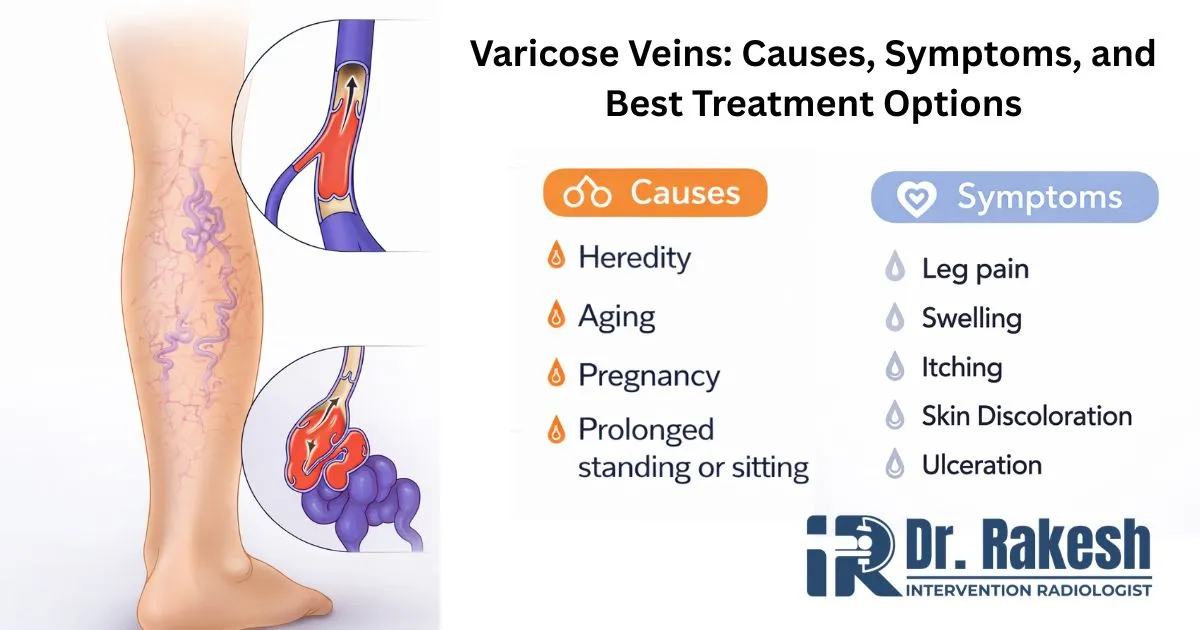
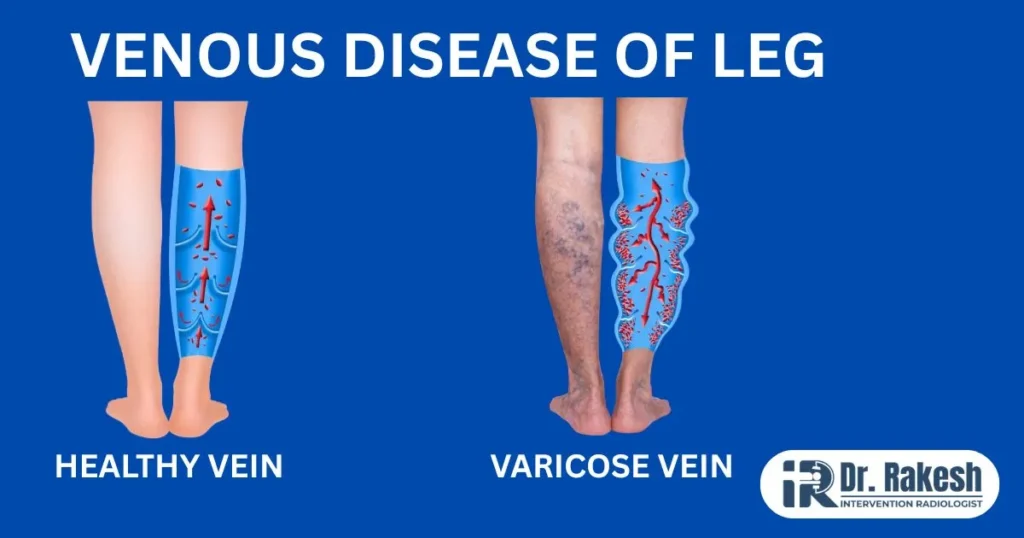
Varicose veins occur when the valves in the veins become weakened. Normally, the veins in the body carry blood to the heart from the rest of the body. There are small valves in the veins to ensure blood flows in only one direction.
When these valves stop functioning correctly, blood starts to flow backward and accumulates in the veins. This makes the veins swell, twist, and bulge out on the surface of the skin.
Varicose veins most commonly occur in the legs since the act of standing and walking increases the pressure on the veins in the lower parts of the body.
Common Causes of Varicose Veins
There are a number of factors that can cause varicose veins. Knowing the causes of varicose veins can help an individual take preventive measures to avoid the condition.
Prolonged Standing or Sitting
Individuals such as teachers, office workers, health practitioners, and shop assistants, who spend a lot of time standing and sitting, risk developing varicose veins. This is due to the increased blood pressure in the leg veins.
Aging
As an individual ages, the veins lose their flexibility. This makes the walls of the veins weak, allowing blood to stagnate in the veins.
Genetics
Genetics play a critical role in the formation of varicose veins. Individuals with a family history of varicose veins risk developing the condition.
Obesity
Individuals with excessive body weight risk developing varicose veins. This is due to the increased blood pressure on the veins in the legs, leading to poor blood circulation and the formation of varicose veins.
Hormonal Changes
Hormonal changes in the body can cause varicose veins. Hormonal changes occur during pregnancy, menopause, and when using certain drugs.
Pregnancy
During pregnancy, the pelvic area experiences increased blood pressure, leading to the formation of varicose veins.
Symptoms of Varicose Veins
The symptoms of varicose veins range from mild to severe problems with circulation.
The symptoms include:
• Visible twisted and bulging veins on the legs
• Heaviness and ache in the legs
• Swollen legs and ankles
• Burning and throbbing pain in the affected area
• Muscle cramps, particularly at night
• Itching on the skin over the affected veins
• Skin discoloration over the affected veins
In severe cases, varicose veins may result in ulcers and blood clots on the skin.
Best Treatment Options for Varicose Veins
Modern medicine has a number of treatment options available for varicose veins, depending on the severity of the condition and the patient’s overall health.
Lifestyle Changes
For minor cases, lifestyle changes can help minimize symptoms and prevent the condition from deteriorating further.
Doctors often advise patients with varicose veins to:
• Engage in regular exercise to improve circulation
• Reduce weight
• Raise their legs when resting
• Avoid standing or sitting for long periods
• We wear compression stockings
Although these lifestyle changes can help manage varicose veins, it is not always possible to completely prevent them.
Compression Therapy
Compression stockings are designed to apply gentle pressure on the legs. This improves circulation and reduces swelling. Compression stockings are usually recommended for patients with varicose veins in the early stages of the condition.
Laser Treatment (Endovenous Laser Treatment – EVLT)
One of the most developed and efficient treatments available for varicose veins is laser treatment.
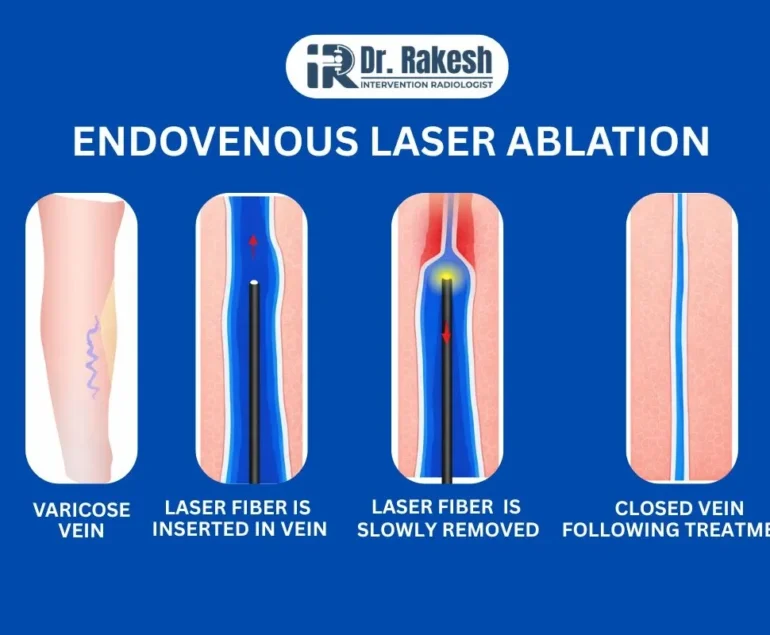
In endovenous laser treatment (EVLT), a thin fiber containing a laser is inserted into the affected vein using ultrasound imaging. The laser then closes the vein by heating it, and eventually, the body compensates by utilizing other veins.
The advantages of this minimally invasive procedure are:
• No surgical incisions are needed
• Faster healing
• Minimal pain
• High success rate
• Enhances cosmetic appearance
Minimally Invasive Interventional Procedures
Thanks to advances in interventional radiology, it is now possible to treat varicose veins without any surgery. The treatments are carried out with the help of advanced imaging techniques that target the affected veins.
These minimally invasive treatments reduce the recovery time and enable patients to resume their normal activities soon after the treatment.
About Dr. Rakesh Kumawat – Interventional Radiologist & Pain Management Specialist in Jaipur
Dr. Rakesh Kumawat is an experienced Interventional Radiologist and Pain Management Specialist in Jaipur who is known to offer the latest and least invasive treatments for vascular and pain management-related issues.
Dr. Kumawat specializes in providing treatments using the latest image-guided techniques to diagnose and treat various medical conditions like varicose veins, chronic knee pain, and other vascular-related issues.
Dr. Kumawat has significant experience in treating patients suffering from varicose veins and other similar issues by providing treatments like Endovenous Laser Treatment (EVLT), where the main aim is to treat the root cause of the condition by using the latest techniques to avoid surgical interventions. The patients suffering from varicose veins in Jaipur can benefit from the expertise of Dr. Kumawat, who is also an experienced interventional radiologist, to get the best treatment and avoid any pain or discomfort during the recovery process.