
Uterine Artery Embolization (UAE)
Uterine Artery Embolization Doctor in Jaipur – Non-Surgical Procedure for Fibroids, Adenomyosis, Postpartum Hemorrhage – PPH, Abnormal Uterine Bleeding – AUB, and Uterine AV Malformation Treatment in Jaipur.
Uterine disorders such as excessive bleeding during menses, pelvic pressure or pain, urination, and constant heaviness in the lower abdomen occur much more often than most women know. These disorders are usually associated with conditions such as uterine fibroids or adenomyosis. In other situations, the bleeding becomes emergency bleeding, particularly postpartum bleeding following childbirth. For decades, the usual treatment given to these situations was through surgery. However, thanks to innovations in medical procedures, most females suffering these disorders can now be treated. The uterus no longer has to be removed. In addition to gaining a new life, they will be happy to know that a uterus transplant is also possible.
One of the leading and most advanced forms of minimally invasive treatments is ‘Uterine Artery Embolization.’ While looking for a ‘Uterine Artery Embolization Doctor in Jaipur,’ it is essential to ensure that you consult a trained expert in image-guided procedures as well as someone with vast knowledge related to vascular anatomy and embolization.
Uterine Artery Embolization Specialist in Jaipur
In UAE, imaging is done by a Vascular and Interventional Radiologist. This procedure differs from surgery, where large cuts are made to physically remove tissue. For Uterine Artery Embolization, a small puncture and a thin instrument called a catheter are employed. The procedure aims to regulate blood flow. This is achieved through the uterine arteries, whose function is to deal with the condition causing symptoms. Dr. Rakesh Kumar Kumawat is greatly trusted for his work involving minimally invasive methods since he is a proponent of precision medicine. Indeed, if a woman’s life is impacted due to her period of bleeding and pain and/or pressure symptom due to a possible ovarian cyst, not only should she find relief, but it should happen in a manner that is convenient to her.
It is because of this reason that Uterine Artery Embolization is a progressively sought-after option for qualified patients from Jaipur. Whether you are researching the UAE for solutions for fibroids, adenomyosis, or emergency bleeding management, the first and foremost step begins with assessment and proper identification of the issue. With a proper consultation approach in place for evaluations and symptoms, Dr. Rakesh Kumar Kumawat assists women in understanding what their options are and in pursuing the best possible course.
Uterine Artery Embolization (UAE)
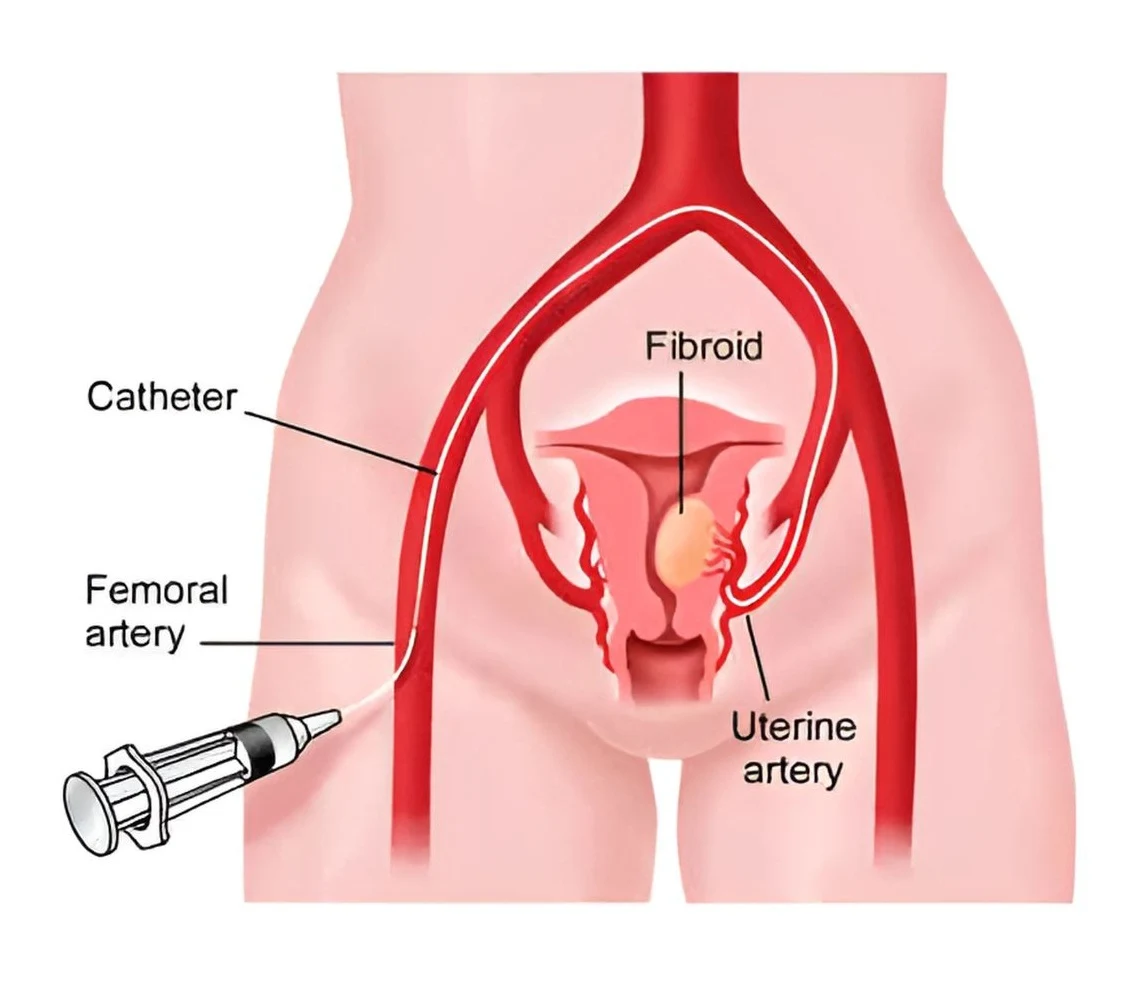
“Uterine Artery Embolization (UAE)” is a procedure used to reduce blood flow to the uterine arteries for alleviating various issues linked to the uterus. The basic mechanism behind UAE is straightforward: if abnormal tissue and/or bleeding exists and requires high arterial flow to sustain it, then simply reducing the arterial flow should minimize the tissue and/or stop the bleeding, respectively.”
Uterine Artery Embolization (UAE), which is also termed as Uterine Fibroid Embolization (UFE), is a type of procedure whereby the uterine blood flows is reduced.
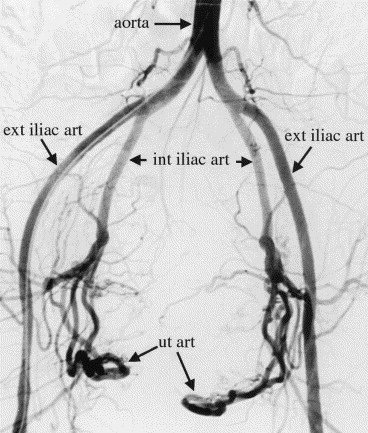
In the UAE treatment, imaging guidance is utilized to ensure the catheter passes safely through blood vessels to reach the precise area of the uterine arteries. Smaller particles are finally infused to lower blood supply for the specified areas of the uterus. Over the period, the body compensates for the foreign matter by shrinking the sizes of the fibroids or adjusting the bleeding patterns.
Obs and Gynaecologist
Usually, women begin their experience with Obs & Gynaec with symptoms such as excessive uterine bleeding, pelvic pain, problems conceiving, and odd appearances on a scan. Once a diagnosis is made for fibroids, adenomyosis, and similar uterine problems, UAE becomes a prominent non-salesman option that is considered. Ideally, a smooth treatment pathway has input from Obs & Gynaec and IR treatment planning.
As Dr. Rakesh Kumar Kumawat is a Vascular and Interventional Radiologist, the treatment for UAE is designed with utmost care and caution. This is particularly important for women who would not prefer undergoing major surgery, retain their uterus, and yet derive adequate relief from symptoms. Many women would thus find solace in the less invasive procedure, which is very much in line with the requirements of the modern lifestyle.
What UAE is used for
Uterine Artery Embolization (UAE) is a minimally invasive procedure where less or no blood flows to the area of concern. It is best practiced when it is conducted as a result of a well-thought decision regarding which patients will greatly benefit from UAE.
Fibroids
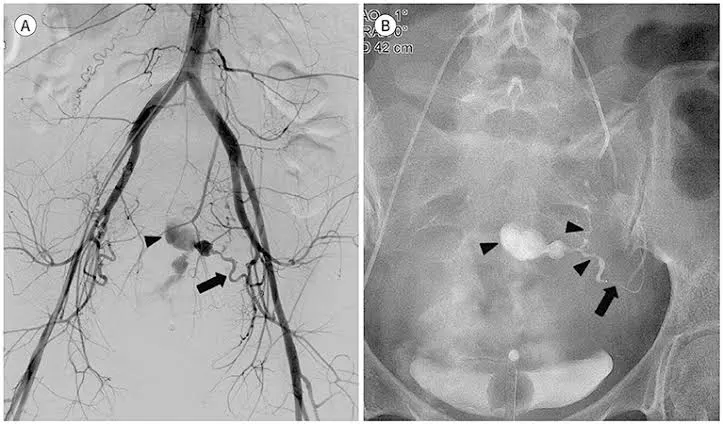
Uterine Artery Embolization is an effective method used in treating uterine fibroids, which are benign (noncancerous) lumps that grow in and around a woman’s uterus. Some uterine fibroids may not even be found by an MRI scan, yet they still result in discomfort and trouble to patients, such as bleeding, pain, pressure, fullness, urinary urgency, constipation, and anemia caused by bleeding. This method involves cutting off blood supply to the lumps, resulting in shrinkage and therefore alleviation of symptomatology caused by such lumps.
Adenomyosis
Adenomyosis UAE is a procedure that is used to relieve discomfort caused by adenomyosis, which is a medical condition whereby the uterus protrudes into the wall of the uterus. This is accompanied by various symptoms, such as bleeding and painful menses, pelvic pain, and pelvis pain, which are caused by swelling and menstrual cycle discomfort associated with it. As it decreases blood circulation to the abnormal growing cells, it is useful in alleviating discomfort associated with inflammation and menses.
Postpartum Hemorrhage
A Postpartum Hemorrhage (PPH) is known as heavy vaginal bleeding that may occur as an emergency condition in relation to childbirth. UAE is applicable in controlling heavy bleeding in the uterus. UAE is particularly important when major surgery is undesirable or when it is essential to preserve or save the uterus. However, this is only in cases that require appropriate hospital setups.
Abnormal Uterine Bleeding
Abnormal uterine bleeding (AUB) refers to any unusual, heavy, prolonged, or unpredictable bleeding of uterine origin not present or usual in physiologic menstrual cycles. Where identified patients have been shown to have their specific bleeding diagnosed as of vascular/uterine origin, UAE can potentially be used to reduce heavy bleeding due to changes within the uterus’ vasculature.The use of UAE might particularly be taken up in situations where conventional medications have a poor response rate or in situations requiring a minimally invasive procedure.
Uterine Arteriovenous Malformation (Uterine AV Malformation)
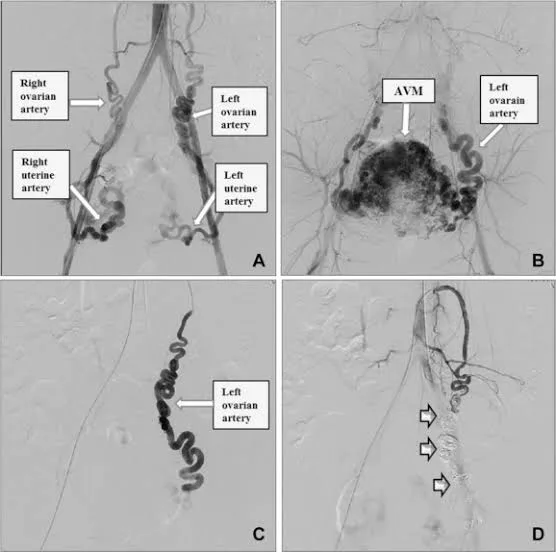
Uterine Arteriovenous Malformation (Uterine AVM) can be considered as a situation in which arteries as well as veins in the uterine region have a malformation or abnormal connection. The most important point about this health issue is that this malformation can lead to sudden uterine bleeding. The best treatment form in this case can be Uterine Artery Embolization.
How Uterine Artery Embolization Works
Many women want to understand what is actually taking place within the body when UAE is administered. Although the process seems a little technical, the basic idea is very simple: just decrease the blood flow to the tissue that is causing the problem.
Step 1: Consultation and Assessment The pre-UAE consultation is done to conceptualize your symptoms, pattern of cycle, pain, and overall health. Imaging studies like ultrasound and at times MRI are reviewed for confirmation of diagnosis, establishment of the size and location of the fibroids, or assessment of adenomyosis. When Uterine Artery Embolization is under plan for postpartum bleeding, the pathway is urgent, guided by the severity of bleeding and clinical stability.
Step 2: Plan the Procedure A personalized plan is made based on your diagnosis and anatomy. Medication review is done, and you’re guided on preparation instructions like fasting and admission details.
Step 3: Access and Catheter Navigation A small puncture is made, most commonly in the groin, but sometimes the wrist is preferred depending on technique and preference. A smaller catheter is then introduced into the artery under imaging guidance to go to the uterine arteries.
Step 4: Embolization (Reduction of Blood Flow) Embolic particles are injected through the catheter to decrease blood flow to the selected branches of the uterine artery. This is the definitive step. For fibroids, reduced blood flow causes fibroids to shrink gradually. Reducing blood flow will assist in stopping the bleeding in cases of postpartum hemorrhage.
Step 5: Completion and follow-up The catheter is withdrawn, and closure of the site is ensured in this last step following embolization. The pain and vital checks are ensured.The timing of discharge will depend on symptoms, but also on the protocol at the hospital: some patients can go home the same day or after a short observation.
Benefits & Recovery after UAE
UAE is widely preferred because it has a balance of effectiveness and ease of recovery when compared to surgery for many patients.
Key Benefits:
- Minimally invasive: No large incisions are required, only a little hole.
- Uterus-sparing: The uterus in most instances is spared as it has great psychological as well as medical value to women in particular.
- Treats Multiple Fibroids Together: Useful when fibroids are multiple.
- Shorter down-time: many women return to daily routines sooner compared to major surgical recovery.
- Lesser Hospital Stay: This is usually shorter than that of surgery and does not always require a long stay at a hospital.
- Improving Quality of Life: As symptoms are alleviated, comfort level is improved.
What Recovery Feels Like
It is not uncommon to have muscle spasms post-UAE, particularly during the first 24 to 48 hours. This reportedly resembles strong period pain. Pain and discomfort are controlled with medications, as per your doctor’s treatment plan. Feeling tired, as well as having flu-like symptoms such as low fever and/or nausea, may then develop.
Release Timeline (Typical Experience)
Few days are enough to begin very light exercises. For returning to work, it depends on the type of work you do, your bearing ability, and progress made by you in terms of recovery. If you do physically intensive labor, then you have to take additional days to rest. Your doctor would provide guidance regarding your walks, fluids, and no heavy lifting.
Does UAE Really Work?
- “Does it work?” in practical terms is asking:
- Bleeding is lessened. Menses are controlled.
- The pain in the lower abdomen is alleviated as the fib
- Pain decreases, esp. cycle pain.
- Anemia and fatigue are improved when bleeding is managed.
- Life quality increases because the symptoms will not affect them anymore.
Why May I Require Uterine Artery Embolization?
Symptomatic Fibroids :Heavier menses or clotting, prolonged menses, anemia due to blood loss, pelvic pressure, urinary frequency, constipation, pelvic pain, or abdomen enlargement.
Adenomyosis : Extremely painful menstrual flows, Pelvic pain, Pelvic pain that persists after medical intervention, usually when there is imaging evidence of typical adenomyosis findings.
Severe Bleeding in Pregnancy In certain cases of postpartum hemorrhage, UAE can be applied along with the management of bleeding when it appears appropriate. Many women seeking UAE also include those who want to avoid hysterectomy, avoid prolonged recovery, or surgery for whom risks are increased due to certain medical conditions.
How to Get Ready for UAE?
Preparation: Preparation plays a vital role in having a safe and enjoyable experience in the UAE. Though the process varies for each patient, here are the things involved in preparation for most:
First of all, there has to be a review of the images to confirm a diagnosis as well as anatomy. Mapping of the fibroid is critical when planning. Further images might be recommended if required.
Second, there are blood tests to check the level of hemoglobin, especially in heavy bleeding, and for overall readiness.
Third and most importantly, there’s the review of medication. Your doctor will advise whether any medication needs to be paused or adjusted before the procedure.
Fourthly, fasting may be recommended in cases when sedation is to be performed. You will also be instructed about the time of arrival at the hospital and what to bring along and how to rest during the first few days.
Fifth, recovery readiness is important. Arrange a quiet environment in your home, plan a few days of lighter schedule, and follow pain-control instructions carefully for the smoothest recovery.
Why Choose Dr. Rakesh Kumar Kumawat for UAE in Jaipur?
It requires choosing the proper expertise, planning, and follow-up care to get the best Uterine Artery Embolization Doctor in Jaipur, not just a clinic. The UAE is a minimally invasive intervention treatment that requires precision imaging guidance, skilled catheter navigation, and an excellent knowledge base regarding pelvic vascular anatomy.
With Dr. Rakesh Kumar Kumawat, the following are provided to the patients:
- Personalized consultation and decision-making based on imaging findings.
- Comfort and safety planned with minimally invasive treatment.
- An organized pain-control and recovery pathway
- Guidance in preparing for, during, and after the procedure.
- A professional approach oriented towards the relief of symptoms and the quality of life in the long term.
If you are considering coming to the UAE for fibroids, adenomyosis, or uterine bleeding management, consultation is a better next step for confirmation of eligibility and construction of an individual plan.
Frequently Asked Questions
1) What is Uterine Artery Embolization ?
Uterine Artery Embolization: This is a minimally invasive image-guided procedural therapy that tries to decrease the blood flow that reaches the uterine arteries in patients who have either fibroids, adenomyosis, or severe uterine bleeding.
2) Is UAE same as Uterine Fibroid Embolization (UFE)?
Uterine Fibroid Embolization is usually regarded as the UAE procedure carried out on patients suffering from fibroids. This is because UAE is Practically Similar to UFE as it aims at minimizing blood flow with the intent of causing the fibroids to regress due to reduced blood supply.
3) Who is the Best Uterine Artery Embolization Doctor in Jaipur?
For women patients looking for UAE treatment in Jaipur, Dr. Rakesh Kumar Kumawat is famously recognized for his non-invasive UAE procedures based on image guidance techniques.
4) What conditions UAE can treat?
UAE: widely utilized for treating uterine fibroids and has even been found helpful for treating patients with symptoms of adenomyosis. Additionally, it is also effective for people with extreme cases of postpartum bleeding problems.
5) How UAE is performed for fibroids?
UAE is employed for treating fibroids by obstructing the blood supply of fibroids via the arteries of the uterus by embolizing it. In this case, the fibroids will diminish and reduce because of the minimal blood flow and will reduce symptoms of heavy bleeding and pelvic pain.
6) Yes. UAE can treat Adenomyosis
In carefully chosen patients, UAE has been found to be of benefit in decreasing pelvic bleeding and pain due to adenomyosis. The patient’s appropriateness for the procedure depends on the imaging study.
7) Is UAE suitable in case of postpartum bleeding?
Indeed, UAE might be utilized to control and arrest excessive uterine Bleeding following childbirth within a medical setting if it is considered safe and appropriate for that particular case.
8) Is UAE painful?
Cramping may occur after the procedure. It is quite common in the first 48 hours after the UAE. Pain relief is managed with the help of medication. Patients can expect an improvement in their pain in the coming days.
9) How long is recovery after UAE?
Most women get to perform light daily chores few days after giving birth. Recovery time depends on the individual and nature of the job, but UAE has relatively shorter downtime than major surgery.
10) Will UAE preserve my uterus?
In many situations, UAE conserves the uterus because it does not entail taking it away. This is also one reason why women turn to UAE because it is non-surgical.
11) How do I prepare for UAE?
“Preparation: Discussion, imaging studies, blood studies, and medication management, if required, are generally needed prior to the procedure. Fasting and post-procedure care may also be required.
12) Are there risks or side effects of UAE?
The short-term complications that could arise are cramping, fatigue, or pain. Of course, like any procedure, there are risks,” Care must be taken to have UAE performed by qualified personnel.