
Knee Pain Doctor
Knee Pain Doctor in Jaipur — Expert Knee Pain Relief with Dr. Rakesh Kumar Kumawat
Knee Pain Specialist in Jaipur | Non-Surgical Knee Pain Treatment | Faster Relief, Better Mobility
Knee Pain is a common obstacle which can stealthily slow down our movement. It initially starts with some minor symptoms—a twinge in the knee while climbing stairs, some stiffness in the knee after sitting for some time, some pains in the knee after a long walk, or some heaviness in the knee. But if we ignore it, the problem can gradually manifest in terms of increased pain in the knee, disrupting our sleep patterns, undermining our confidence in walking, and making some easy tasks difficult, such as squatting, standing for some time, or rising from a chair. It is a misconception that knee pain ties us to our aging processes. In fact, persistent knee pain always indicates some problem that requires effective knee pain treatment by a competent knee pain specialist. Thus, in case you’re looking for a “Knee Pain Doctor Near Me” or a “Knee Pain Specialist in Jaipur,” you would presumably demand two things: first, proper diagnosis of the problem and, second, some actual relief from the symptoms.
However, in these modern times, there are some effective and non-surgical methods of knee pain treatment in addition to some actual medication and some continuous physiotherapy. Such modern treatments always tend to reduce our knee pain and include cutting down the pain and reducing the irritation and increasing our movements. Such modern treatments are always helpful for a knee pain sufferer seeking a non-surgical procedureDr. Rakesh Kumar Kumawat is known as one of the prefered Knee Pain Specialists in Jaipur and is renowned for innovative pain management techniques and minimally invasive techniques. Acclaimed as the Best Interventional Radiologist in Jaipur and competent in managing pain, he promotes smarter, quicker, and more minimally invasive solutions for knee pain conditions, particularly in cases of osteoarthritis and chronic inflammation.
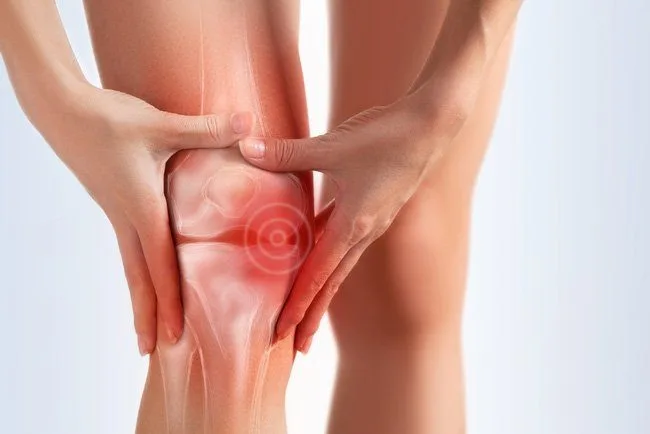
Reasons knee pain occurs:
Knee pain may occur due There could be a whole range of reasons for the pain in the knees, and the proper treatment would depend on the underlying condition being addressed in the individual, with some people dealing with worn-out knees due to osteoarthritis and others with ligament issues, cartilage, inflammation, or referred pain from the back.
Common causes are:
- Osteoarthritis thereby refers to the wear and tear of the joint
- Inflammation within the knee joint
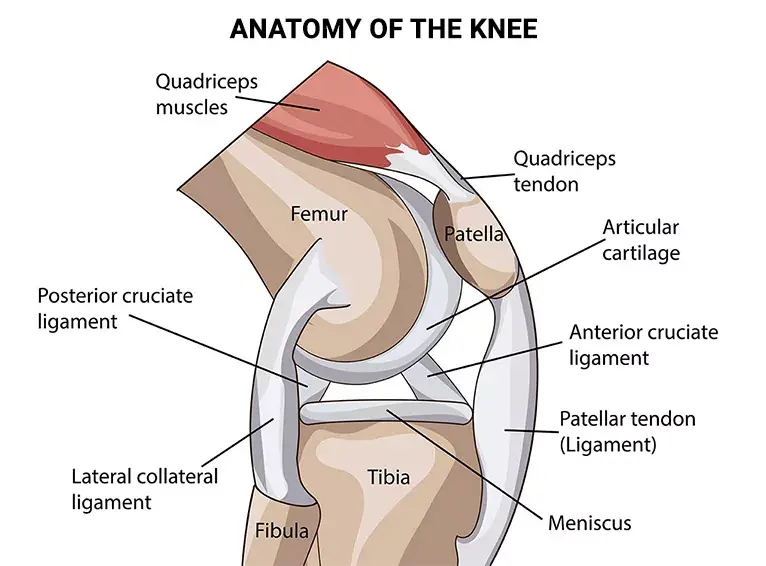
- Previous injuries to joints such as a torn meniscus or ligament sprain
- Being overweight or having heavy stress on the knee joint.
- Flaccid knee muscle to provide minimal support to the knee
- Repetitive stress due to use of stairs, squatting, standing, or heavy laboring
Post-surgical knee pain relief in certain conditions – Inflammatory arthritis in selected patients Knee problems arising from lifestyle factors such as prolonged work hours, lack of exercise, obesity, as well as climbing stairs, are common among many residents of Jaipur. A big idea is not about just killing the symptoms; it’s about what pain is inside and if that’s from a mechanical, inflammatory, or nerve source.
Warning Signs to Visit a Knee Pain Doctor in Jaipur:
watch for constant pain or swollen knees that continue for more than a few weeks or recurring over time; sharp pains while performing daily activities, such as walking, climbing stairs, or standing; mornings stiffness or after sitting; swelling, redness, or repeated pain in the joints; noised knees-buckling or grinding sounds when moving hurtful knees; feeling unstable, weak, or fearing a fall; pain disrupts sleep or interferes with daily activity; medication relieves pain for only a short period; physical therapy is not found effective. You may also consult a non-surgical alternative. It matters how soon an evaluation is made. Early evaluation can prevent the problem from progressing further and return you more quickly to an active life.
What a Knee Pain Doctor in Jaipur Does Differently
most people begin with symptomatic treatment, but the pain of knees can become chronic if the root cause is not treated. The knee pain specialist zeroes in on:
Thus, precise pain sourcing is developed-joint, ligament, cartilage, inflammation, or nerve-related.
- Review of imaging, if required, like X-rays, MRI, or ultrasound
- Developing a treatment plan that balances rapid relief of pain and protection with the need to maintain mobility in the long term.
- Providing nonsurgical or minimally invasive options, where indicated
- Helping such patients avoid dependency related to the use of repeated painkillers.
- Providing systematic follow-up and prevention advice This is an especially key approach when knee pain is hurting your quality of life and you want faster, more reliable relief.
Allow me to introduce Dr. Rakesh Kumar Kumawat, a knee pain Doctor from Jaipur.
He can also be recognized as one of the best Vascular & Interventional Radiology consultants with knee pain management experience, known for the best pain management treatments with the least invasive procedures. His educational qualifications include MBBS, DNB in Radiology, Fellowship in Vascular & Interventional Radiology (FVIR), and Fellowship in Interventional Pain Management (FIPM) from Delhi Pain Management Centre in Delhi. These qualifications in the field of knee pain management are significant because newer advances in the field often include image-guided and least invasive procedures.
The skill set of Dr. Kumawat includes the latest methods for the relief of pain, including Genicular Artery Embolization (GAE) for Osteoarthritis of the knee in appropriately chosen patients, in addition to interventional management of the pain in order to alleviate the pain and enhance functional activity. Patients choose Dr. Kumawat when they need a non-surgical solution, planning, or the treatment process that focuses on comfort.
Non-Surgical Methods Available at us:
Formerly Modern knee pain treatment aims to decrease swelling, correct joint function, and maintain joint movement. On the basis of the diagnosis, the following can be done: Lifestyle and weight management guidance for reducing joint load Strengthening exercises and physiotherapy planning Pain medicine optimization where necessary (short-term) Supportive measures like knee braces and posture But when traditional treatments prove ineffective, the only feasible course of action would be to explore the realm of minimally invasive treatments, provided by professionals in their domain of expertise.
Knee Osteoarthritis: The Most Common Reason for Chronic Knee Pain
Amongst the most frequent root causes of chronic knee ailments would be the condition of “knee osteoarthritis,” predominantly affecting individuals above the age of 40-45 years, people with a heavier mass, or when the concerned individual suffers from constant stress on the knees due to heavy physical activity, and in the case of “osteoarthritis,” the cartilage becomes worn, the gap between the joints reduces, and there is inflammation in the joints, thus causing pain, stiffness, swelling, and a loss of mobility, and being described as:
- pain while walking or standing
- stiffness after sitting
- difficulty climbing stairs
- swelling that comes and goes
- Sometimes the ache can be aggravated by activity but relieved by rest.
For most patients, physio or home modifications can resolve the issues, but for patients who experience persistent or debilitating ache, further effective treatments are available.
Genicular Nerve Block Treatment
A genicular nerve block focuses on the nerves around the knee area, suppressing the pain messages. It can be very effective for patients who experience persistent knee pain, particularly those caused by osteoarthritis, in the right patients. The procedure can also help specify the efficacy of nerve therapies for a patient.
Genicular Nerve Ablation (for selected chronic knee pain)
Genicular nerve ablation involves a more advanced and targeted pain management strategy in which the pain from the genicular nerves that surround the knee joint is reduced. This is generally recommended in cases where there has been chronic knee pain due to conditions like osteoarthritis that cannot be effectively controlled by medication and physical therapy. This procedure would typically follow a successful genicular nerve block since that would indicate that the pain is indeed in the nerves and that nerve management would be effective. In the genicular nerve ablation treatment, energy is delivered to block the pain messages from the specific nerves with the goal of decreasing the associated pain and, in return, improving the function of the patients selected to undergo the process. Neither of these methods alters the structure of the joint but, to some extent, reduces the sensitivity to pain, making it easier to move around. Just like Genicular Artery Embolization (GAE),these methods don’t require surgery and, in return, give the selected patients an opportunity to avoid other forms of surgeries since the advanced technologies to cure knees don’t fit everyone equally well.
Genicular Artery Embolization (GAE) for Knee Osteoarthritis
Genicular Artery Embolization (GAE) for Knee Osteoarthritis is a minimally invasive technique that focuses on irregular blood flow related to inflammation in the knees. As a focus on reducing blood flow to affected synovial tissue, they have a possibility of reducing pain and inflammation in patients with osteoarthritis. The point to make here is that they are not a ‘quick fix.’ A complete assessment of what can be done in each case would be required.
When is knee replacement required?
Some people fear that just making a appointment with a specialist, a knee replacement is required. This is not necessarily true. Many people do not need a knee replacement, especially in the early stages, after a proper treatment strategy.
Knee replacement should be considered:
- joint damage is advanced
- pain is severe and continuous
- mobility is significantly reduced
- conservative and interventional options are no longer effective
- The quality of life is affected considerably, and it would be a good idea to speak with a specialist to learn how you rate on the above scale and then determine the available alternatives open to you.
Preparation for a knee pain doctor consultation in Jaipur:
To ensure optimal success, one should bring any old x-ray or MRI scans, along with details of when pain started & what tends to exacerbate it.
- Mention swelling pattern and stiffness timing
- List medicines already tried
- Let your knee pain doctor know about any injuries, health issues like diabetes, or lifestyle habits that you feel are important for them to know.
You should also tell your doctor what your treatment goal is, whether it is to relieve pain, make walking easier, or prevent surgery. This will enable your physician to implement an exact personalized plan.
Why choose Dr. Rakesh Kumar Kumawat,your knee pain Doctor at Jaipur?
Your physician is preferred due to his diagnosis-first, non-invasive strategy to attain fast pain relief and functioning.
The main reasons are:
comprehensive pain management training (FIPM) incorporating up-to-date interventional procedures, image-guided precision evaluation and planning, alternatives for non-surgical knee pain relief for suitable patients, patient-centered communication and comfort-oriented care, and follow-up planning to enhance long-term mobility.
If you are searching for a Knee Pain Doctor in Jaipur who offers the latest, minimally invasive solutions, a consultation is the first step towards identifying the best course of treatment for your knee problem.
Exercise for Knee Pain
Exercises for knee pain mainly focus on strengthening the muscles that support the knee, improving flexibility, and reducing stiffness—without overloading the joint. For many people, gentle strengthening of the quadriceps (front thigh) and hamstrings (back thigh) helps reduce knee pressure and improves walking comfort. Low-impact movements like straight leg raises, quad sets, and hamstring stretches can be a safe starting point when pain is moderate. Regular stretching helps reduce tightness that pulls on the knee and increases pain. If knee pain is due to osteoarthritis, low-impact activity is usually best—like flat-surface walking, cycling, or water-based exercise—because it improves blood flow, joint lubrication, and mobility without harsh impact. The key is consistency, correct form, and gradual progress. If pain increases sharply during exercise, causes swelling, or you feel instability, the exercise plan should be modified under professional guidance so you strengthen safely and avoid worsening the condition.
Knee Pain Causes
Knee pain can happen due to wear-and-tear, inflammation, injury, or overload on the joint. The most common cause is knee osteoarthritis, where cartilage gradually thins and the joint becomes stiff, painful, and swollen—especially while walking, climbing stairs, or standing. Overuse and repetitive strain (frequent stairs, squatting, prolonged standing, and heavy lifting) can irritate the joint and surrounding tissues, leading to persistent discomfort. Old injuries such as meniscus tears, ligament sprain, or cartilage damage can also cause long-term pain, locking, or instability, even years later. In many patients, knee pain is worsened by excess body weight, weak thigh muscles, poor posture, flat feet, or improper footwear, which increases pressure on the knee. Some cases are due to inflammatory conditions (like rheumatoid arthritis), bursitis, or tendon issues around the knee. Pain can also be referred from the back (nerve irritation), so proper evaluation is important to find the real source and plan the right knee pain treatment.
Frequently Asked Questions — Knee Pain Doctor in Jaipur
1) Who is the best knee pain doctor in Jaipur?
Many patients consult Dr. Rakesh Kumar Kumawat as a trusted Knee Pain Specialist in Jaipur for minimally invasive pain relief options and structured knee pain management.
2) What is the most common cause of chronic knee pain?
Knee osteoarthritis is one of the most common causes, especially in middle-aged and older adults, overweight patients, and those with joint wear-and-tear.
3) When should I see a knee pain specialist in Jaipur?
If pain lasts for weeks, affects walking or sleep, returns frequently, or doesn’t improve with routine treatment, you should consult a specialist.
4) Can knee pain be treated without surgery?
Yes. Many cases improve with physiotherapy, lifestyle changes, and minimally invasive interventional pain procedures depending on diagnosis.
5) What is Genicular Nerve Block treatment?
It is a targeted procedure that reduces pain signals from specific nerves around the knee, used for chronic knee pain relief in selected cases.
6) What is Genicular Artery Embolization (GAE)?
GAE is a minimally invasive procedure that reduces blood supply linked to inflammation in knee osteoarthritis to help reduce pain and swelling in selected patients.
7) Do I need MRI for knee pain?
Not always. Many cases are evaluated with X-ray and clinical symptoms. MRI may be advised if ligament, cartilage, or meniscus injury is suspected.
8) How can I reduce knee pain at home?
Weight control, regular low-impact exercise, avoiding prolonged stairs/squats, and following physiotherapy guidance can help, but persistent pain needs specialist evaluation.
9) Is knee pain always due to age?
No. Knee pain can also occur due to injury, overweight, inflammation, weak muscles, or posture issues even in younger people.
10) How do I know if I need a knee replacement?
A specialist evaluates the severity of the problem, evaluates the images, evaluates how well you can function, and observes how you respond to treatment to determine if surgery is required at this time or can be delayed.
11) Will helping with knee pain improve my walking?
Yes. A well-structured plan aimed at pain reduction and strength building usually improves walking and gives a person confidence.
12) What is the best treatment for knee osteoarthritis pain?
The best treatment depends on severity. Options range from lifestyle and physiotherapy to minimally invasive procedures for selected patients.