Early Signs You May Need Varicose Vein Laser Treatment
Varicose veins are not just a cosmetic concern. Many people notice visible blue or purple veins on their legs and ignore them for months or years, thinking they are harmless. However, varicose veins can be an early sign of poor blood circulation in the leg veins. When vein valves become weak, blood does not flow back properly toward the heart and starts collecting in the veins. This causes the veins to enlarge, twist, and become visible under the skin.
If you are experiencing leg pain, swelling, heaviness, or visible veins, you may need timely evaluation for Varicose Vein Laser Treatment In Jaipur. For advanced diagnosis and minimally invasive vein care, you can consult Dr. Rakesh Kumawat – Best Interventional Radiologist and Pain Management Specialist in Jaipur.
What Is Varicose Vein Laser Treatment?
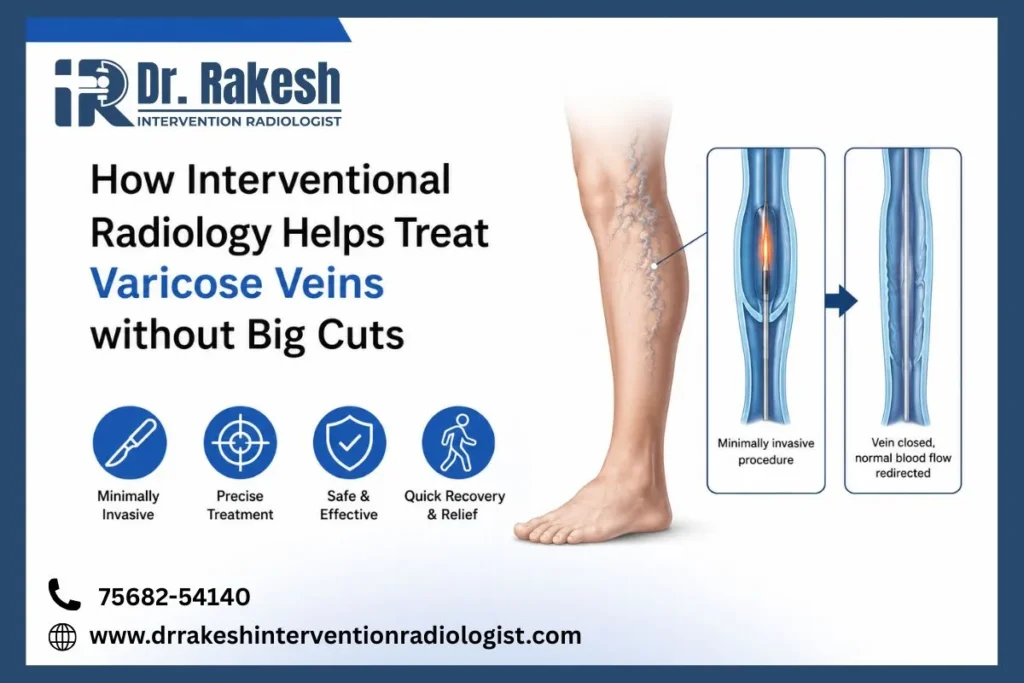
Varicose Vein Laser Treatment is a modern minimally invasive procedure used to close faulty veins without major surgery. In this treatment, laser energy is used to seal the affected vein from inside. Once the diseased vein is closed, blood naturally moves through healthier veins.
This treatment is commonly recommended when varicose veins cause pain, swelling, heaviness, skin changes, or discomfort in daily life. It is usually performed with ultrasound guidance, which helps the doctor identify the affected vein and treat it accurately.
Early Signs You May Need Varicose Vein Laser Treatment
1. Visible Blue, Purple, or Bulging Veins
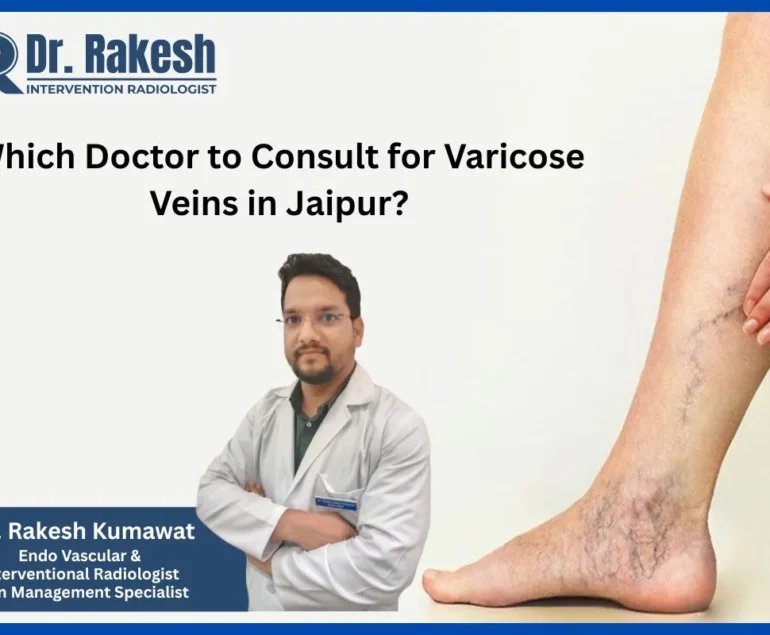
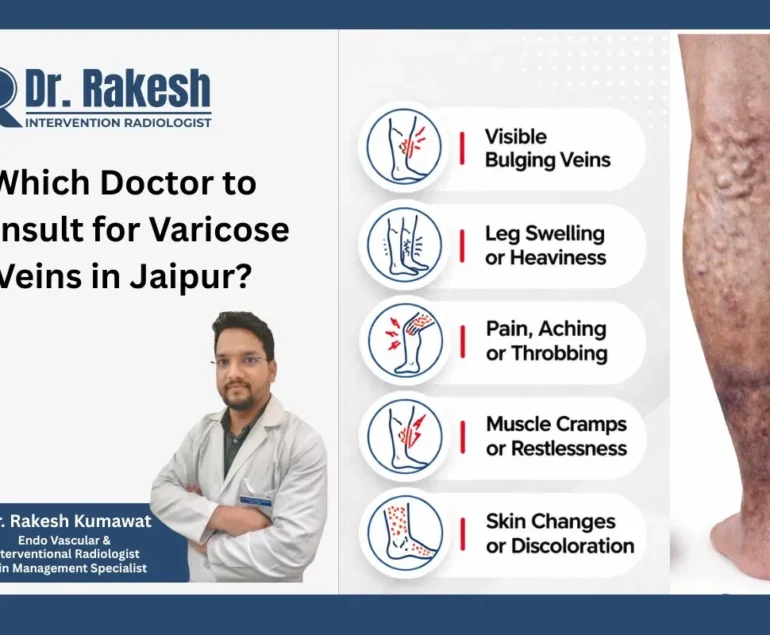
One of the earliest signs of varicose veins is the appearance of blue, purple, or greenish veins on the legs. These veins may look twisted, raised, or rope-like. In the beginning, they may not cause pain, but if they are increasing in size or spreading, you should not ignore them.
Visible veins can indicate that the valves inside the veins are not functioning properly. A Doppler ultrasound can help confirm whether laser treatment is needed.
2. Heavy or Tired Legs
If your legs feel heavy, tired, or uncomfortable after standing or sitting for long hours, it may be an early sign of venous insufficiency. Many patients feel this heaviness more in the evening or after a full working day.
People who stand for long hours, such as teachers, shopkeepers, healthcare workers, salon professionals, factory workers, and security staff, are more likely to experience this symptom.
3. Pain or Aching in the Legs
Leg pain due to varicose veins is usually dull, aching, or throbbing. It may become worse after prolonged standing or walking and may improve after resting or elevating the legs.
If leg pain is happening regularly along with visible veins, it may be time to consult a vein specialist. Laser treatment may help reduce pain by closing the faulty vein and improving blood flow through healthier veins.
4. Swelling Around the Ankles or Lower Legs
Swelling around the ankles, feet, or calves is another important sign. In early stages, swelling may be mild and appear only by evening. Over time, it may become more frequent and uncomfortable.
This swelling happens because blood pooling increases pressure inside the veins. If swelling is associated with visible veins or heaviness, proper vascular evaluation is important.
5. Burning, Throbbing, or Night Cramps
Some patients with Varicose Vein Surgeon In Jaipur experience burning sensation, throbbing pain, tingling, or muscle cramps, especially at night. These symptoms are often mistaken for tiredness, weakness, or age-related pain.
Repeated cramps or burning near visible veins can be a sign that the affected veins are under pressure. Timely treatment can help prevent the condition from getting worse.
6. Itching or Skin Irritation Near Veins
Itching around visible veins is commonly ignored. Many people apply creams thinking it is dry skin or allergy. However, itching can be related to poor venous circulation and skin irritation due to increased pressure in the veins.
If itching is happening along with swelling, visible veins, or skin darkening, medical consultation is necessary.
7. Skin Darkening Near the Ankle
Skin color changes around the ankle or lower leg can be a warning sign of advanced vein disease. The skin may become brownish, reddish, dry, thick, or rough.
This happens when long-term venous pressure affects the skin and surrounding tissues. At this stage, delaying treatment may increase the risk of ulcers or non-healing wounds.
8. Non-Healing Wounds or Ulcers
A wound near the ankle that does not heal properly is a serious sign of venous disease. Venous ulcers can develop when blood circulation remains poor for a long time.
If you have visible veins and a wound that is not healing, you should seek immediate medical evaluation. Laser treatment may be part of the treatment plan if faulty veins are responsible for the problem.
Why Early Treatment Matters
Ignoring varicose veins can allow the disease to progress. Early diagnosis helps identify the root cause and decide whether lifestyle changes, compression stockings, medicines, sclerotherapy, or laser treatment is required.
A venous Doppler ultrasound is usually recommended before treatment. It helps check vein valve function, blood flow direction, reflux, and the affected vein pattern.
Why Choose Dr. Rakesh Kumawat in Jaipur?
Dr. Rakesh Kumawat – Best Interventional Radiologist and Pain Management Specialist in Jaipur provides advanced image-guided diagnosis and minimally invasive treatment options for varicose veins. His expertise helps patients receive accurate evaluation and personalized care without unnecessary major surgery.
If you are looking for Varicose Vein Laser Treatment in Jaipur, timely consultation can help reduce pain, swelling, heaviness, and visible vein-related discomfort.
Conclusion
Early signs of varicose veins such as visible veins, leg heaviness, swelling, aching, burning, itching, cramps, skin darkening, and non-healing wounds should not be ignored. Varicose Vein Laser Treatment can be an effective minimally invasive option for selected patients who need relief from symptoms without major surgery.
For proper diagnosis and advanced treatment planning, consult Dr. Rakesh Kumawat – Best Interventional Radiologist and Pain Management Specialist in Jaipur.
FAQs
1. What are the early signs of varicose veins?
Early signs include visible blue or purple veins, leg heaviness, swelling, aching, burning sensation, itching, night cramps, and discomfort after standing for long hours.
2. When do I need Varicose Vein Laser Treatment?
You may need laser treatment if varicose veins cause pain, swelling, heaviness, skin changes, or if Doppler ultrasound shows faulty veins with blood reflux.
3. Is Varicose Vein Laser Treatment painful?
The procedure is usually performed under local anesthesia, so patients generally feel minimal discomfort. Mild soreness or bruising may occur after treatment.
4. Can varicose veins be treated without major surgery?
Yes, many cases can be treated with minimally invasive options such as laser treatment, radiofrequency ablation, or sclerotherapy, depending on the condition.
5. Who is the best doctor for Varicose Vein Laser Treatment in Jaipur?
For image-guided varicose vein diagnosis and treatment, you can consult Dr. Rakesh Kumawat – Best Interventional Radiologist and Pain Management Specialist in Jaipur.