Chronic Pain Management: How a Pain Relief Doctor Can Improve Your Life
Living with chronic pain can be physically exhausting and emotionally draining. Whether it’s back pain, joint discomfort, nerve pain, or long-standing injuries, persistent pain can affect your work, sleep, and overall quality of life. The good news is that modern medicine offers advanced solutions—and consulting a pain relief specialist can make a life-changing difference.
Experts like Dr. Rakesh Kumawat – Interventional Radiologist specialize in treating chronic pain using minimally invasive, targeted techniques that provide long-lasting relief without major surgery.
Dr. Rakesh Kumawat – Interventional Radiologist and Pain Management Specialist
What is Chronic Pain?
Chronic pain is defined as pain that lasts for more than 3 months or persists beyond the normal healing period. It can range from mild discomfort to severe, debilitating pain.
Common Types of Chronic Pain:
- Back and neck pain
- Joint pain (knee, shoulder, wrist)
- Nerve pain (sciatica, neuropathy)
- Arthritis-related pain
- Post-injury or post-surgical pain
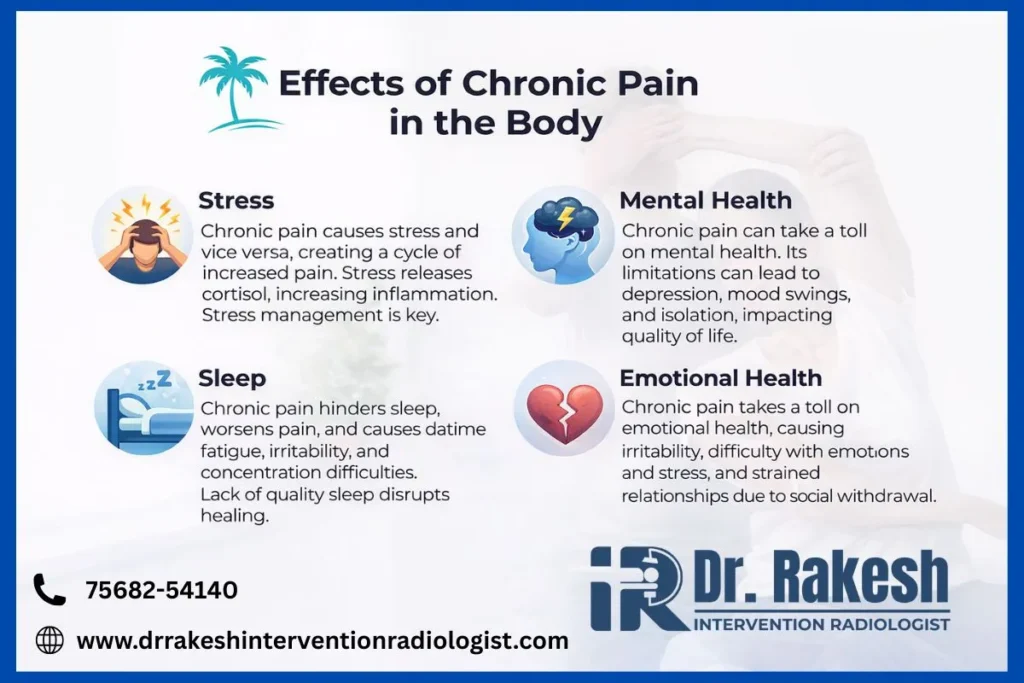
How Chronic Pain Affects Your Life
Chronic pain doesn’t just affect your body—it impacts your entire lifestyle.
Effects Include:
- Reduced mobility and flexibility
- Poor sleep quality
- Stress, anxiety, and depression
- Difficulty performing daily tasks
- Decreased productivity
Ignoring chronic pain can worsen the condition over time, making early intervention essential.
Role of a Pain Relief Doctor
A pain relief doctor focuses on diagnosing the root cause of pain and providing targeted treatment.
What They Do:
- Identify the exact source of pain using advanced imaging
- Create personalized treatment plans
- Offer non-surgical and minimally invasive solutions
- Monitor recovery and prevent recurrence
Specialists like Dr. Rakesh Kumawat – Interventional Radiologist use image-guided procedures to treat pain with precision and safety.
Modern Treatments for Chronic Pain
1. Medications
Painkillers and anti-inflammatory drugs provide temporary relief.
2. Physiotherapy
Strengthens muscles, improves mobility, and reduces stiffness.
3. Image-Guided Injections
Precise injections reduce inflammation and target the pain source.
4. Nerve Blocks
Block pain signals from affected nerves.
5. Radiofrequency Ablation (RFA)
Uses heat energy to deactivate pain-causing nerves for long-term relief.
6. Lifestyle Modifications
Exercise, posture correction, and weight management support recovery.
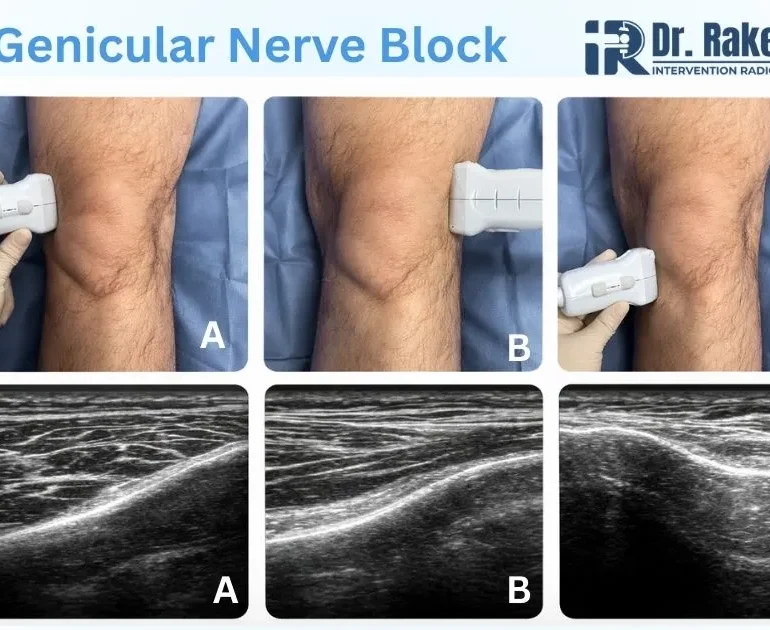
7. Genicular Nerve Block
A targeted injection around knee nerves to reduce chronic knee pain effectively.
8. Genicular Artery Embolization
A minimally invasive procedure that reduces inflammation by blocking abnormal blood flow in knee arthritis.
9. PRP Therapy (Platelet-Rich Plasma)
Uses the patient’s own blood components to promote healing and tissue regeneration.
10. Genicular Nerve Ablation
Uses heat energy to disrupt pain signals from knee nerves, providing long-lasting relief.
Benefits of Consulting a Pain Specialist
Why You Shouldn’t Ignore Chronic Pain:
- Accurate diagnosis of underlying cause
- Personalized treatment plans
- Faster and long-lasting relief
- Avoid unnecessary surgery
- Improved quality of life
With expert care, many patients experience significant improvement without invasive procedures.
When Should You See a Pain Relief Doctor?
You should consult a specialist if:
- Pain lasts longer than a few weeks
- Pain interferes with daily activities
- Medications are not effective
- You experience numbness or weakness
- Pain keeps returning
Early consultation ensures better outcomes and prevents complications.
How Pain Management Improves Your Life
With proper treatment, patients often experience:
- Better mobility and flexibility
- Improved sleep and mental health
- Increased productivity
- Ability to enjoy daily activities
- Overall enhanced quality of life
Conclusion
Chronic pain doesn’t have to control your life. With the help of a qualified pain relief doctor, you can find effective, long-lasting solutions tailored to your condition.
Specialists like Dr. Rakesh Kumawat – Interventional Radiologist offer advanced, minimally invasive treatments that target pain at its source—helping you return to a healthier, more active lifestyle.
Dr. Rakesh Kumawat – Interventional Radiologist and Pain Management Specialist
Don’t ignore persistent pain—take the first step toward relief today.
Frequently Asked Questions (FAQs)
1. What is chronic pain?
Pain lasting more than 3 months is considered chronic pain.
2. Can chronic pain be cured?
It can often be effectively managed or significantly reduced with proper treatment.
3. Are pain relief treatments safe?
Yes, especially minimally invasive procedures performed by specialists.
4. Do I need surgery for chronic pain?
Most cases can be treated without surgery.
5. What is the best treatment for chronic pain?
It depends on the cause—treatments include injections, therapy, and advanced procedures.
6. How long does treatment take?
Recovery varies but many patients see improvement within days to weeks.
7. Are injections effective?
Yes, especially when guided by imaging for precision.
8. Can lifestyle changes help?
Yes, exercise and posture correction play a key role.
9. Who should I consult for chronic pain?
A pain specialist or Interventional Radiologist like Dr. Rakesh Kumawat.
10. When should I seek medical help?
If pain persists, worsens, or affects daily life.