
Best Knee Pain Doctor in Rajasthan
Best Knee Pain Doctor in Rajasthan — Dr. Rakesh Kumawat
Best Joint Pain Treatment Doctor in Rajasthan
Knee and joint pain can creep into one’s life unnoticed. It may start with a mere ache in the knee after walking, a slight stiffness in the morning, or pain in the knee while climbing stairs. Gradually, the pain may start affecting one’s movements in daily life—sitting for long periods of time makes the knee stiff, standing for long periods of time becomes difficult, and even a short walk becomes tiring. Many people tend to delay treatment by using pain relievers or temporary home remedies, but if you are experiencing regular knee pain, it is likely an indication of some underlying problem that requires a proper diagnosis and treatment plan from the best knee pain doctor in Rajasthan.
If you are searching for the best knee pain doctor in Jaipur, it is likely that you are looking for a doctor who knows their pain inside out. Likewise, individuals looking for the top joint pain relief doctors in Rajasthan also want a doctor who can treat chronic pain, osteoarthritis, inflammation, and mobility problems in a planned and patient-centric manner. At Jaipur, Rajasthan, patients seeking the latest knee pain relief and joint pain solutions often meet Dr. Rakesh Kumawat, known for his smarter, faster, and more minimally invasive pain management solutions. With a rich experience in Interventional Pain Management and Vascular & Interventional Radiology, he assists patients looking for genuine relief from pain without the waiting and prolonged recovery times.
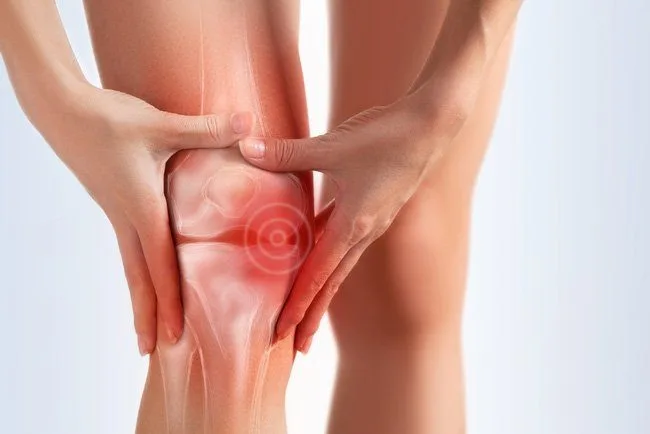
Best Knee Pain Specialist in Rajasthan
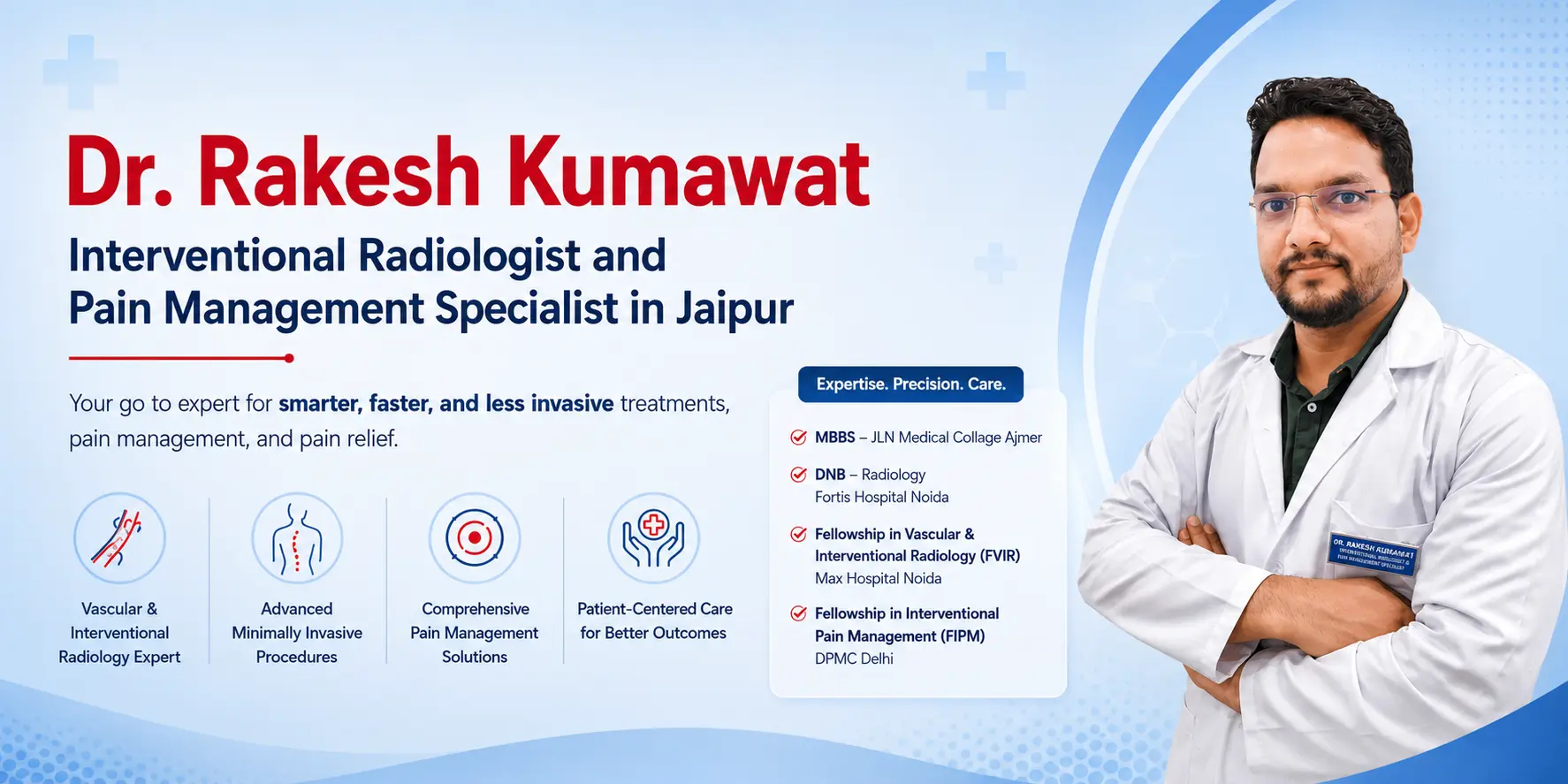
Dr. Rakesh Kumawat is a renowned consultant in Vascular & Interventional Radiology and a dedicated pain management specialist, celebrated for his innovative and minimally invasive techniques and pain relief strategies. He has an MBBS and DNB in Radiology, along with a Fellowship in Vascular & Interventional Radiology (FVIR) and a Fellowship in Interventional Pain Management (FIPM) from the Delhi Pain Management Centre (DPMC) in Delhi. His clinical interests include the management of knee osteoarthritis pain and joint pain, and he also performs complex procedures like Genicular Artery Embolization (GAE) for knee osteoarthritis in selected patients.
Dr. Kumawat is an expert in Digital Subtraction Angiography (DSA) and image-guided precision procedures. With his rich experience at the best institutions such as Max Hospital Noida, Fortis Hospital Noida, and Artemis Hospital Gurgaon, he has managed difficult cases with a judicious mix of innovation and safety. What patients appreciate most is his patient-first approach, clear communication, and a calm, reassuring style that makes the treatment journey comfortable and well-guided.
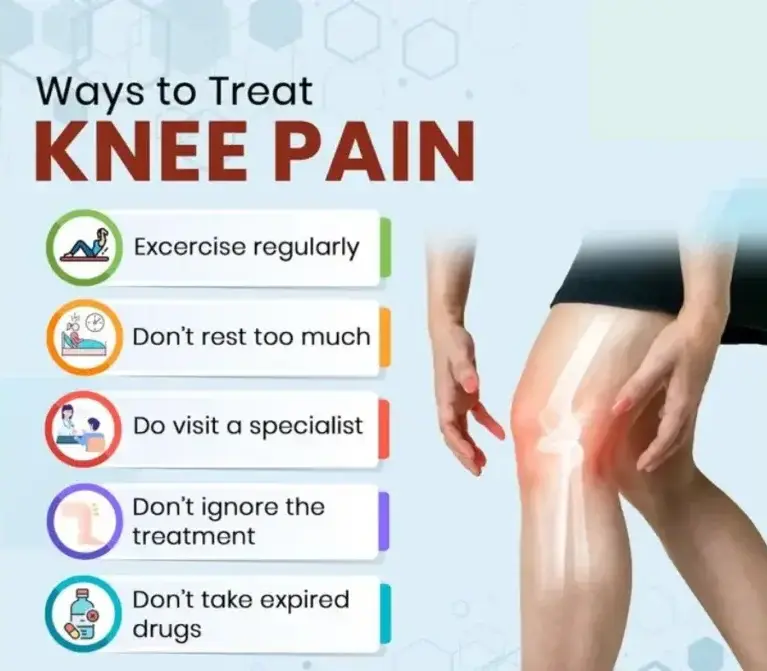
How Knee Pain Is Diagnosed at Jaipur, Rajasthan,
Effective knee pain treatment starts with clarity. A structured evaluation typically includes a detailed pain history, movement and stability assessment, swelling check, and review of any previous reports. Imaging may be used based on your symptoms. X-rays often help assess the osteoarthritis stage and joint space changes. MRI may be suggested if ligament injury, meniscus tear, or cartilage damage is suspected. In selected cases, ultrasound-based evaluation can help assess inflammation and guide targeted pain procedures. What makes specialist-led diagnosis valuable is that it avoids guesswork. It helps ensure you are not over-treating a minor issue or under-treating a progressing one.
4000+
Satisfied Patients98%
Success Rate30+
Advanced Techniques8+
Years ExperienceWhy Knee Pain Needs Specialist Treatment (Not Just Painkillers)
Knee pain is not always “normal ageing.” In many cases, it is caused by cartilage wear, inflammation, ligament strain, early joint degeneration, or mechanical imbalance around the knee. Painkillers can temporarily reduce symptoms, but they often do not address the root cause, so the pain returns. Over time, the knee becomes weaker, walking becomes limited, and inflammation can increase.
This is where specialist-led treatment becomes important. A knee pain doctor at Jaipur tries to identify the exact cause of the pain, whether it is osteoarthritis pain, inflammatory pain, pain from a previous injury, or nerve pain, and then develops a treatment plan to reduce the pain and restore function. This way, patients do not have to go through the cycle of popping pills to get relief.
Common Causes of Knee and Joint Pain
Knee and joint pain may arise due to many reasons, and the most effective treatment would depend upon the underlying cause. The common causes of knee and joint pain are osteoarthritis, degeneration of the meniscus, ligament strain, inflammation within the joint, being overweight and putting additional pressure on the joints, weakness in the surrounding muscles, and habits such as climbing stairs frequently or standing for a long time. Joint pain can also affect the shoulder, hip, neck, and back due to inflammation, degeneration, posture imbalance, or nerve irritation. Many patients experience more than one joint problem at a time—especially when mobility reduces and muscles weaken.
That’s why a complete evaluation matters. You should consult a specialist if knee pain or joint pain is affecting your routine in any of these ways: you feel pain while walking or climbing stairs, stiffness after sitting, swelling around the knee, cracking sounds with pain, discomfort that worsens by evening, pain that disturbs sleep, or fear of walking due to instability. If pain keeps returning even after medicines and physiotherapy, it usually means the knee needs deeper evaluation and a more targeted strategy.
Patient Benefits
Benefits of Minimally Invasive Procedures
Modern minimally invasive treatments are designed to provide effective care with smaller access points, reduced discomfort and faster recovery.
01
Faster Recovery Time
Smaller incisions generally mean less tissue trauma, helping patients recover faster and return to their regular daily activities sooner.
02
Reduced Pain and Discomfort
Minimally invasive techniques are designed to cause less trauma to surrounding tissues, helping reduce discomfort during and after treatment.
03
Lower Risk of Complications
Precise image-guided treatment and smaller access points can help reduce bleeding, infection risk and other procedure-related complications.
04
Shorter Hospital Stays
Many minimally invasive procedures can be performed on an outpatient or short-stay basis, allowing patients to return home sooner.
05
Improved Cosmetic Outcomes
Smaller treatment openings usually result in less visible scarring, helping provide a better cosmetic outcome after recovery.
Knee Pain Treatment in Rajasthan
Managing knee pain in Jaipur should be common-sensical. The patient looks for relief that will suit their lifestyle and help them move comfortably. Usually, the knee pain treatment begins with non-surgical approaches, which may include modifying activity, physiotherapy, strengthening, posture, and weight advice if necessary. In most cases, by following the above steps, there will be a great improvement. In case the pain persists, there are advanced minimally invasive options to choose from. The best approach will always be person-centered, as the level of pain experienced and the structure of the knee vary from one person to another.
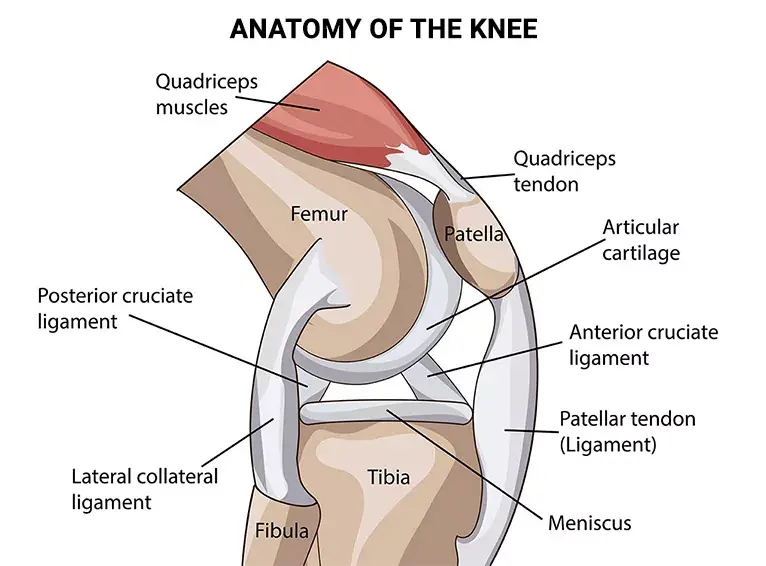
Advanced Knee Pain Relief Options Offered Under Specialist Guidance
Many patients today look for non-surgical procedures that reduce pain and help them avoid or delay knee replacement. Under specialist evaluation, minimally invasive pain relief techniques can be explored for suitable candidates. One of the most discussed options in chronic knee osteoarthritis pain management is the Genicular Nerve Block approach, where targeted nerve pathways around the knee are addressed to reduce pain signals.
This can be helpful in selected chronic knee pain cases, especially when routine treatment is not giving adequate relief. Another modern treatment that has gained attention is Genicular Artery Embolization (GAE) for knee osteoarthritis in selected patients. GAE is a minimally invasive, image-guided procedure that targets the abnormal blood supply associated with inflammation in osteoarthritis. Reducing inflammatory blood flow in specific areas may help decrease pain and swelling and improve mobility in suitable cases. These treatments are not “one-size-fits-all.” A proper clinical evaluation and imaging-based assessment help decide whether they are appropriate for you. The focus remains on safety, realistic outcomes, and long-term mobility.
Why Patients Choose Dr. Rakesh Kumar Kumawat for Knee Pain and Joint Pain
Patients who search for the Best Knee Pain Doctor in Jaipur, Rajasthan typically want three things: confidence in diagnosis, non-surgical options, and a clear plan. Dr. Rakesh Kumawat stands out because he combines interventional pain management training (FIPM) with image-guided precision and a calm, patient-friendly consultation style. Many patients feel reassured because they understand what is causing their pain, what the options are, and what recovery realistically looks like.
His approach is structured—evaluates properly, treat precisely, and guide recovery carefully. For patients who want advanced knee pain relief options or modern minimally invasive procedures, this style of care can be a major advantage.
What Recovery Usually Looks Like
Recovery depends on the exact treatment plan. Many non-surgical measures (physiotherapy, strengthening, and lifestyle correction) work gradually and build long-term stability. Minimally invasive pain procedures typically aim to reduce pain faster so patients can move better and strengthen effectively. Most patients are guided with activity instructions, follow-up planning, and a realistic mobility roadmap so improvements are not temporary.
The most important part is consistency—when pain reduces, strengthening and movement correction should follow so the knee remains stable and future flare-ups reduce.
Knee Pain Causes
Knee pain can develop when the joint is under extra stress or when the structures around it—cartilage, ligaments, tendons, or muscles—are irritated or damaged. A very common cause is degenerative change (osteoarthritis), where the smooth joint surface wears out gradually, leading to stiffness, swelling, and pain during walking, stairs, or standing. Another frequent reason is patellofemoral pain (front knee pain), where the kneecap tracking becomes imbalanced and causes pain while sitting for long periods, climbing stairs, or squatting.
Injuries also play a big role. Meniscus problems, ligament strain, or repeated minor trauma can cause long-term discomfort, clicking, or instability. Many patients develop knee pain because of weak core and thigh muscles, tight hamstrings/calves, poor walking posture, or wrong footwear, which increases knee load. Weight gain, diabetes-related weakness, and low activity levels can worsen symptoms. In some cases, knee pain may be linked to inflammation (arthritis), tendon irritation, bursitis, or even pain referred from the back, so an accurate evaluation helps choose the correct treatment.
Exercise for Knee Pain
A safe knee exercise plan focuses on three things: mobility, strengthening, and balance. Gentle mobility exercises like heel slides and knee extension stretches help reduce stiffness and keep the joint moving smoothly. Strengthening exercises such as quad sets, straight leg raises, and side-lying leg lifts build support around the knee, reducing pressure on the joint while walking and standing. Adding glute (hip) strengthening is important too, because strong hips improve knee alignment and reduce strain.
For many patients, low-impact cardio like cycling, swimming, or brisk walking on flat surfaces improves circulation and joint lubrication without heavy impact. Start slow, keep movements controlled, and increase repetitions gradually. If an exercise causes sharp pain, swelling, or instability, it should be modified or paused and adjusted with professional guidance. Consistency matters more than intensity—regular, correct exercises often provide better long-term knee comfort and stability.
Frequently Asked Questions
1) What are the most common causes of knee pain?
Knee pain can occur due to arthritis, ligament or meniscus injury, muscle strain, tendonitis, old trauma, excess body weight, overuse, or age-related wear and tear. Correct diagnosis is important for proper treatment.
2) When should I consult a knee pain doctor?
You should see a knee pain doctor if pain lasts more than 7–10 days, keeps returning, causes swelling or stiffness, limits walking or stair use, or follows an injury.
3) How is knee pain diagnosed?
Knee pain is diagnosed through clinical examination and imaging tests such as X-ray or MRI. Blood tests may be advised if infection, inflammation, or gout is suspected.
4) What does knee pain care include?
Knee pain care may include physiotherapy, exercises, lifestyle changes, pain medications, supportive braces, and in selected cases, minimally invasive image-guided pain management procedures.
5) Can knee pain be treated without surgery?
Yes. Many knee pain conditions can be managed without surgery, especially early arthritis, mild injuries, and inflammatory pain. Surgery is considered only when conservative treatment fails.
6) What are minimally invasive treatments for knee pain?
Minimally invasive treatments include image-guided injections and targeted pain procedures that help reduce pain and improve mobility without open surgery.
7) How can I tell if knee pain is due to arthritis or injury?
Arthritis usually causes gradual pain and stiffness, while injuries often cause sudden pain, swelling, or instability. Imaging helps confirm the exact cause.
8) What lifestyle changes help reduce knee pain?
Maintaining a healthy weight, strengthening thigh muscles, avoiding overuse, wearing proper footwear, and correcting posture can significantly help reduce knee pain.
9) Who is the best knee pain doctor in Rajasthan?
The best doctor depends on your condition. Many patients consult Dr. Rakesh Kumawat for modern, minimally invasive knee pain management options.
10) What should I bring for my knee pain consultation?
Bring previous reports (X-rays or MRI), current medications, and details about your pain history to help the doctor plan effective treatment.
Patient Reviews & Experiences
Posted on Google
 Subhash kumar Saini
Trustindex verifies that the original source of the review is Google.
Ham sir ke pas me thayroid me swealling ki problem ko dikahne ke liye aaye the sir ne bahut badiya se details me btaya or next step thayroid artery embolization procedure ke bare me bataya sir ka or unki team ka behaviour or response bahut badiya hai thankyou sir.Posted on Google Sahil ali KhanHam sir ko varicocele ki problem ko dikhane ke liye aaye the sir ne bahut badiya se details me btaya or sir ne procedure ke bare me samjaya without surgery sir ka behaviour bahut badiya hai or unki team ka response bahut badiya hai thankyou sir.Posted on Google
 Javed MavafaroshHam sir ke pas me varicocele ki problem ko dikhane ke liye aaye the sir ne bahut badiya se samjaya or pura procedure detail me samjaya thankyou sir.Posted on Google
 Amin Khan bagwanMere varicose veins ki problem thi mene sir se contact Kiya sir ne bahut badiya se samjaya or laser ablation procedure ke bare me btaya sir ka behaviour bahut badiya hai thankyou sir.Posted on Google
 Meena LohumiMaire ghutno me dard tha Dr Rakesh ne ghutno k dard ka Bina operation k genicular nerve block treatment for knee pain kiya or ab mai chal phir sakti hu or sidiya bhi Chad sakti hu Bina kisi dard k. Thanku sir for this amazing non surgical treatment of knee pain k liyePosted on Google
 Vicky KharetiaBest doctor for varicocele embolization treatmentPosted on Google
 Satyanarayan ChoudharyBest doctor for varicocele embolization phle dr shab ne meri sonography ki us m grade IV varicocle aaya. Us ke baad mene varicocele embolization karwaya ab m bilkul thik hu or mujhe sari dard khatam ho gya thank you so moch sir